Rising energy prices represent the most immediate and structurally significant impact. Automotive manufacturing is inherently energy-intensive, from steel smelting and body stamping to painting, baking, and powertrain testing—all of which require substantial electricity and natural gas. When international oil and gas prices increase, electricity and industrial fuel costs rise accordingly, inevitably driving up overall manufacturing expenses. Moreover, the global automotive supply chain spans multiple countries, with components frequently transported across continents by sea or air. As fuel prices and war risk surcharges increase simultaneously, transportation costs climb, further compressing profit margins for automakers and suppliers. In the mainstream vehicle segment, where margins are already relatively thin, this cost squeeze is particularly pronounced.
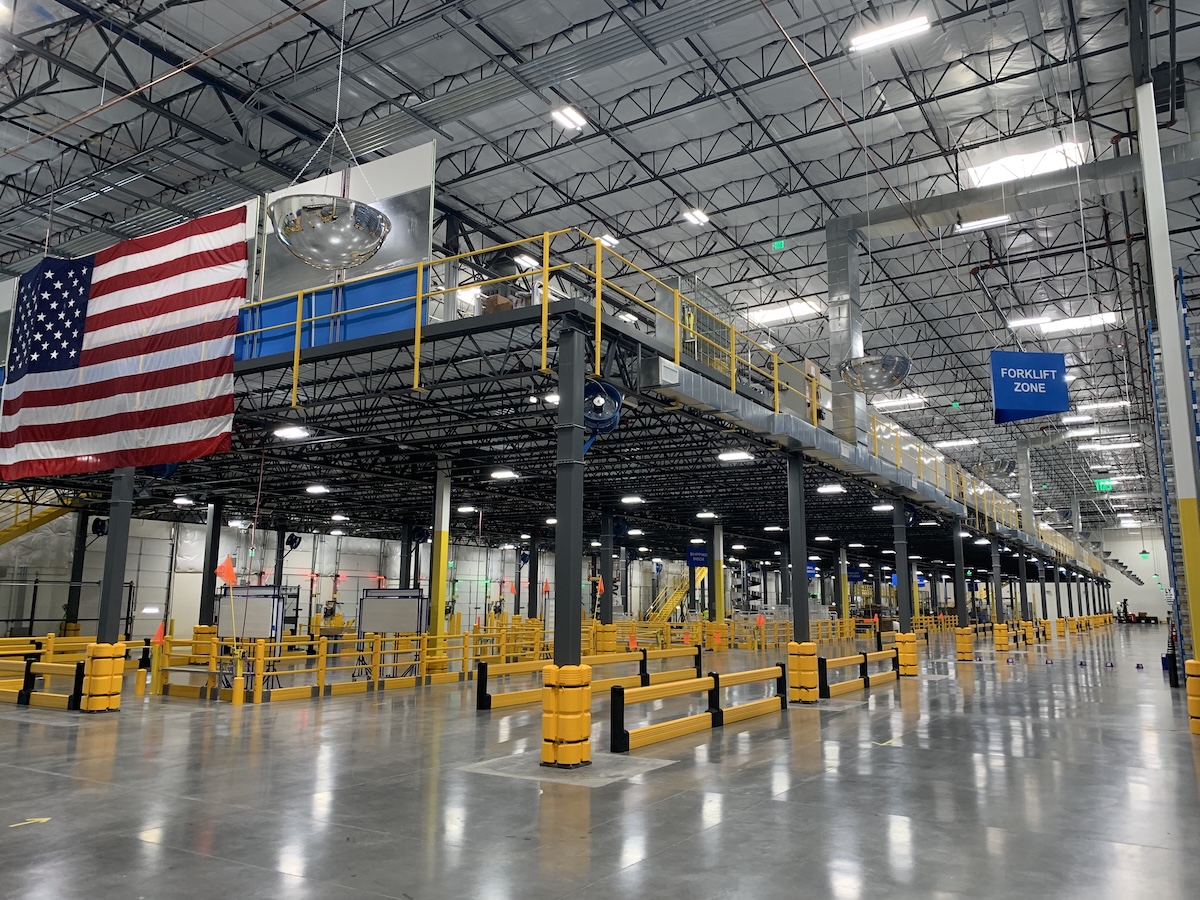
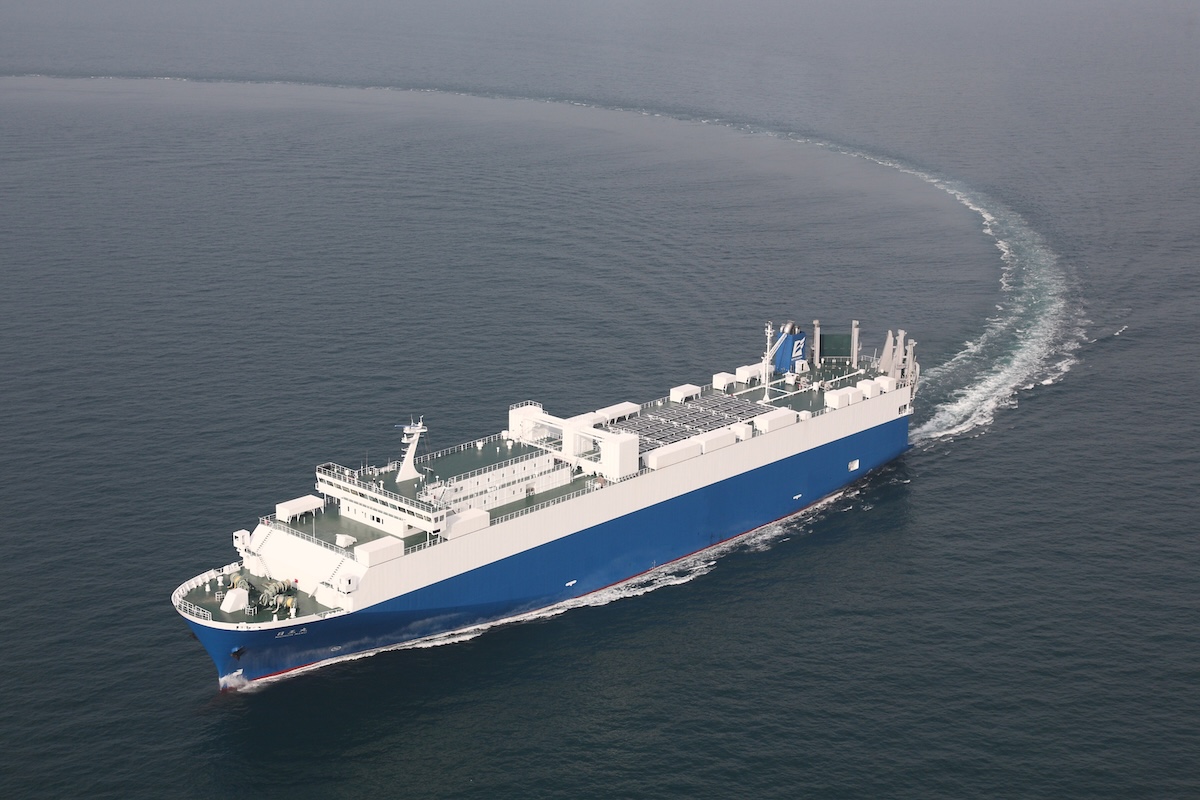
Instability in logistics and supply chains constitutes the second layer of impact. The Middle East is not only a hub for energy exports but also a critical shipping node connecting Europe and Asia. Once shipping routes are diverted or carriers reduce sailings, delivery lead times for global components inevitably lengthen. For automotive manufacturing systems that rely heavily on the Just-in-Time production model, any delay in key components can force production line stoppages or schedule adjustments. This is especially true for high-end electronic components and battery materials required for electric vehicles, whose supply chains are both highly globalized and concentrated; rising logistics risks will amplify existing bottlenecks. Although the industry has built up higher inventory levels following the pandemic and semiconductor shortages, if the conflict drags on, these buffer stocks could be rapidly depleted.
On the demand side, uncertainty is equally significant. Rising energy prices are transmitted to consumers through inflation, increasing household financial pressure. In an environment of unclear economic prospects, consumers often postpone major durable goods purchases, weakening automotive sales momentum. If the war intensifies volatility in global financial markets or leads to downward revisions in growth expectations for major economies, the automotive market may experience short-term demand contraction. For export-oriented automakers, exchange rate fluctuations and declining market confidence further heighten operational risks.

From a longer-term perspective, however, the conflict may also trigger structural transformation. A high oil price environment typically increases consumer interest in fuel-efficient vehicles and electric vehicles, thereby accelerating the energy transition. If governments step up electrification policies and infrastructure investment to reduce dependence on Middle Eastern energy, electric vehicle penetration could benefit as a result. In addition, against the backdrop of rising geopolitical risk, companies will more actively promote supply chain diversification and regionalization to reduce reliance on single shipping routes or energy sources. Although such de-risking strategies raise costs in the short term, they help strengthen long-term resilience.
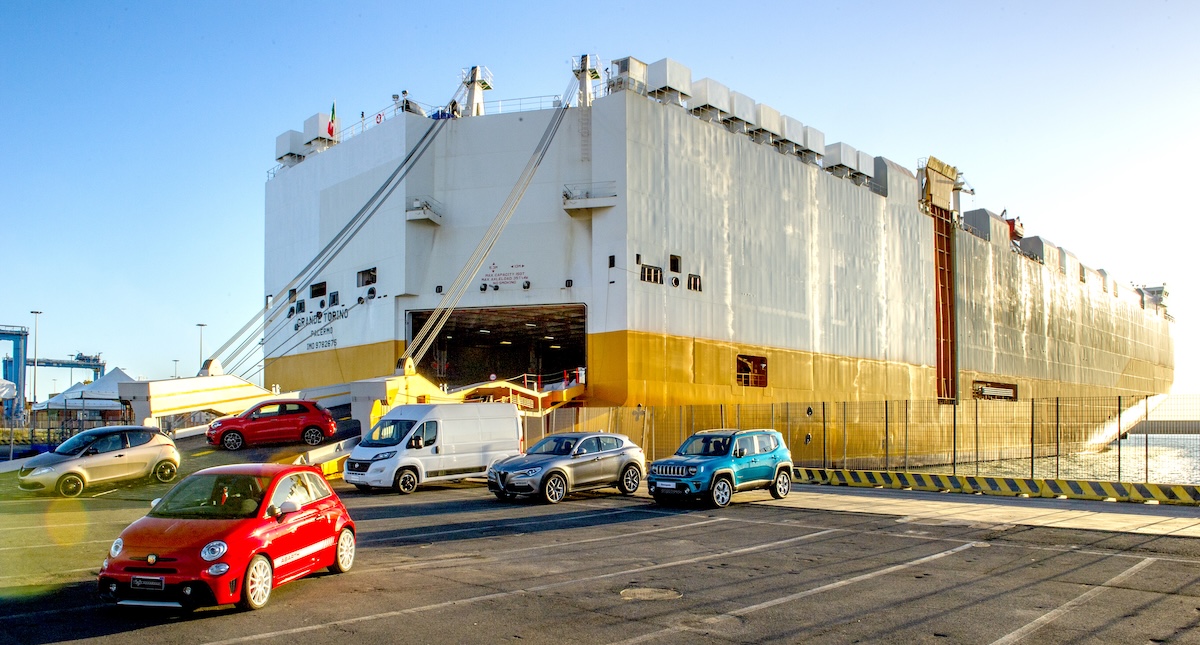
In summary, the impact of the United States/Israel–Iran conflict on the global automotive industry can be divided into short-term shocks and long-term adjustments. In the short term, rising energy costs, logistics delays, and demand uncertainty will exert pressure on the industry. In the long term, supply chain restructuring and accelerated electrification may reshape the competitive landscape. The key variable lies in the duration and scale of the conflict. If tensions ease quickly, the impact may be limited to cost fluctuations; however, if the war expands and becomes prolonged, the highly globalized and capital-intensive automotive industry will inevitably face structural realignment, requiring companies to demonstrate robust risk management capabilities and strategic flexibility in order to remain competitive.