Under the latest proposal, the EU would no longer require all newly sold passenger cars and light commercial vehicles after 2035 to achieve “zero emissions.” Instead, the target would shift to a 90% reduction in carbon dioxide emissions compared with 2021 levels. This change means that non–battery-electric vehicles that still use fuel, such as plug-in hybrids (PHEVs) and range-extended electric vehicles, could continue to be sold under certain conditions. For European automakers struggling to compete with Tesla and Chinese mainland brands in the EV market, this adjustment effectively provides a policy buffer.
From a regulatory design perspective, the EU is attempting to balance emissions targets with industrial realities through a so-called “offset mechanism.” If automakers are unable to eliminate the remaining 10% of emissions, they would be required to offset them by using low-carbon steel produced within the EU or by adopting synthetic e-fuels and non-food biofuels, such as agricultural waste and recycled cooking oil. While this approach ostensibly preserves the direction of decarbonization, it also leaves institutional space for combustion-engine technologies to persist.
At the same time, the EU is adjusting the transition period leading up to 2030. The new framework provides automakers with a three-year compliance window from 2030 to 2032, requiring passenger-car emissions to be reduced by 55% from 2021 levels. Meanwhile, the original 2030 target for light commercial vehicles—a 50% reduction—would be eased to 40%. These adjustments clearly lower short-term compliance pressure and are widely seen as a response to industry concerns over heavy fines and weakening market demand.
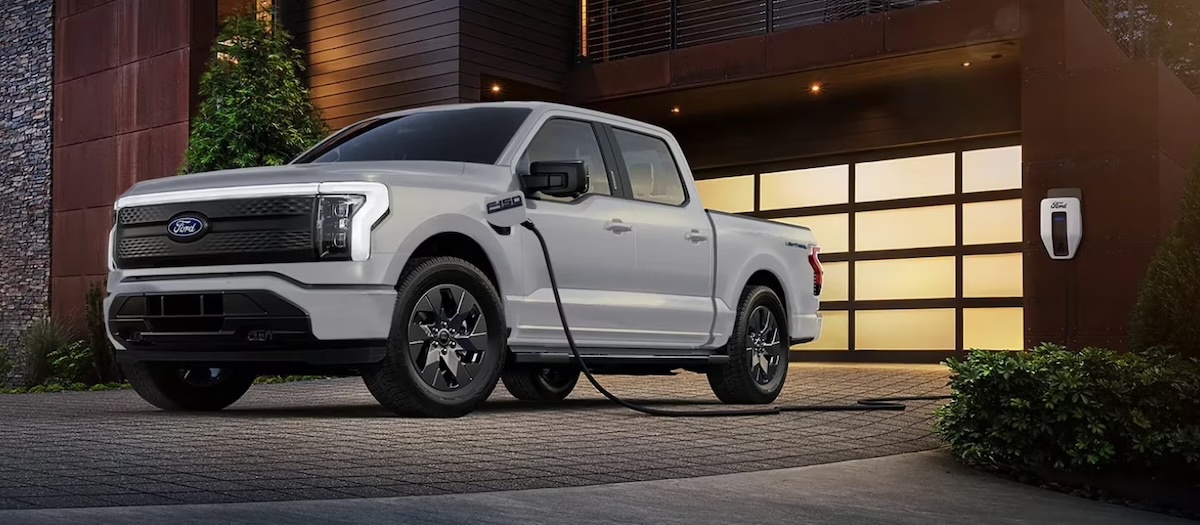
The timing of this policy shift closely mirrors broader developments in the global automotive industry. Ford recently announced nearly US$19.5 billion in write-downs tied to the cancellation of several EV programs, explicitly citing changes in the U.S. policy environment and cooling EV demand as key reasons for its strategic adjustment. In Europe, the Volkswagen Group and Stellantis have also publicly warned of slowing EV market growth, calling for looser emissions targets and reduced penalties. The European Automobile Manufacturers’ Association (ACEA) has even described the current moment as “high noon” for the sector.
German automakers, in particular, are under acute pressure. They are losing ground to domestic competitors in the Chinese mainland market, while simultaneously facing growing competition at home from imported Chinese mainland EVs. Although the EU has imposed tariffs on EVs built in China, the actual protective effect has been limited. Against this backdrop, the German government has adopted a more cautious stance toward a full ban on combustion-engine vehicles, directly influencing the overall direction of EU policymaking.
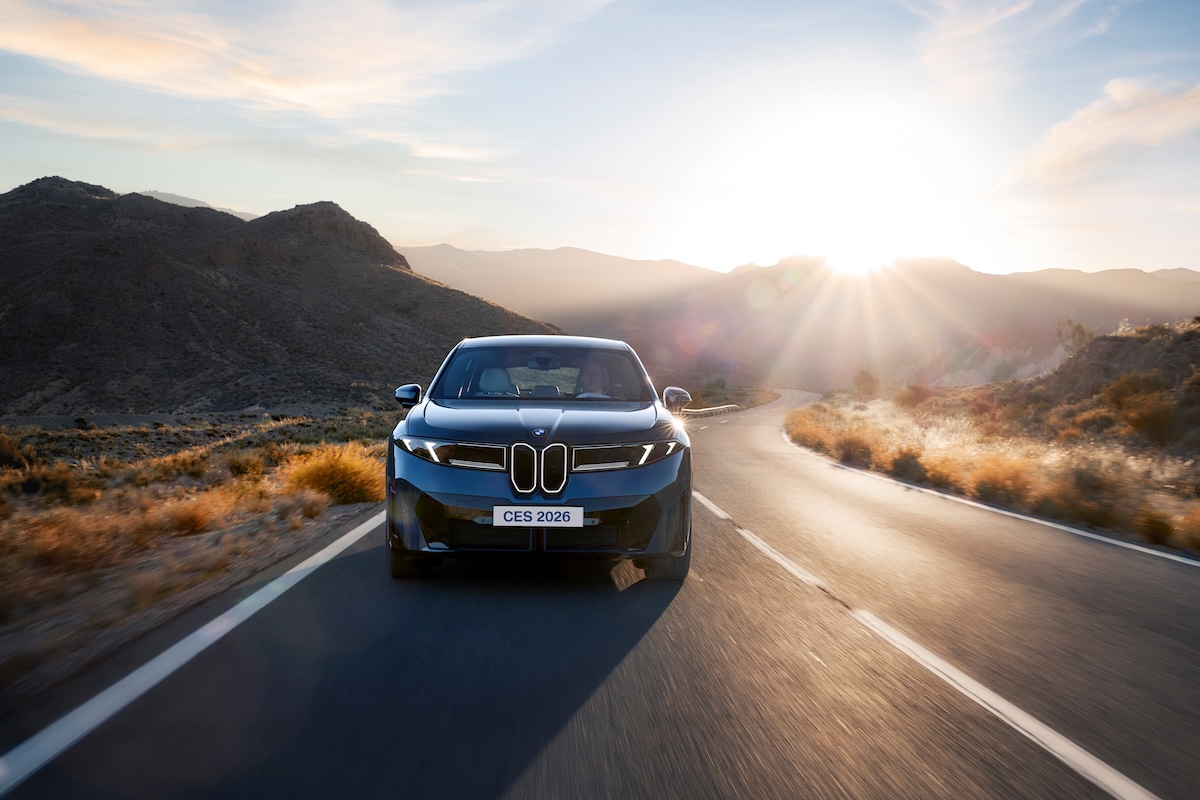
However, opposition from the EV industry and environmental groups has been equally forceful. Critics warn that easing emissions targets could undermine investor confidence and leave Europe falling further behind China in the electrification race. Polestar CEO Michael Lohscheller has argued that moving from a 100% zero-emissions target to 90% may appear minor, but carries major symbolic weight. Backtracking now, he said, would not only harm climate goals but also weaken the long-term competitiveness of Europe’s automotive industry. Transport & Environment (T&E) has similarly criticized the EU for merely buying time, while China is already accelerating at full speed.
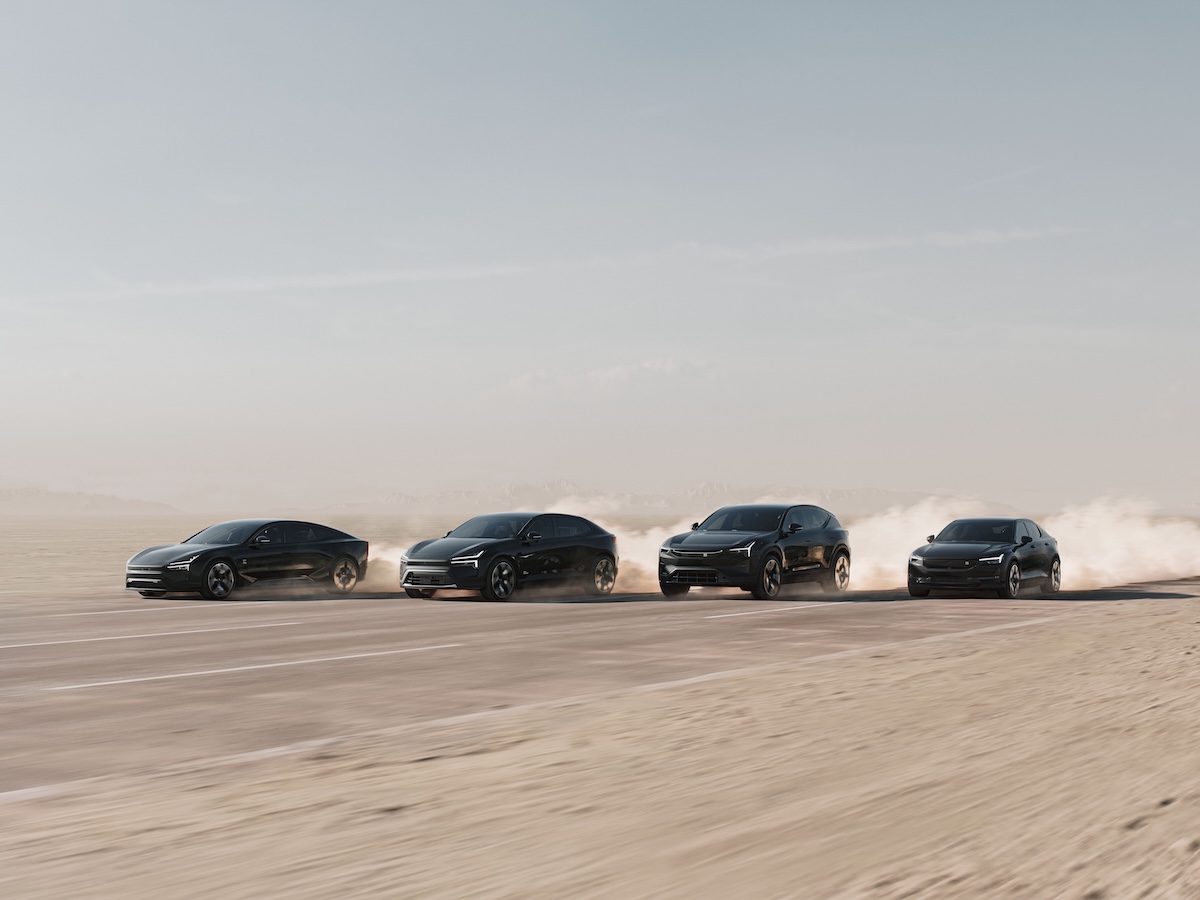
On the demand side, the EU has also proposed complementary measures to accelerate EV adoption within corporate fleets. As company and rental fleets account for roughly 60% of new-car sales in Europe, the Commission plans to set electrification targets for 2030 and 2035 based on each country’s GDP per capita, leaving national governments to decide how those targets are met. Within the industry, Belgium’s tax incentives for electric company cars are widely cited as a replicable model.
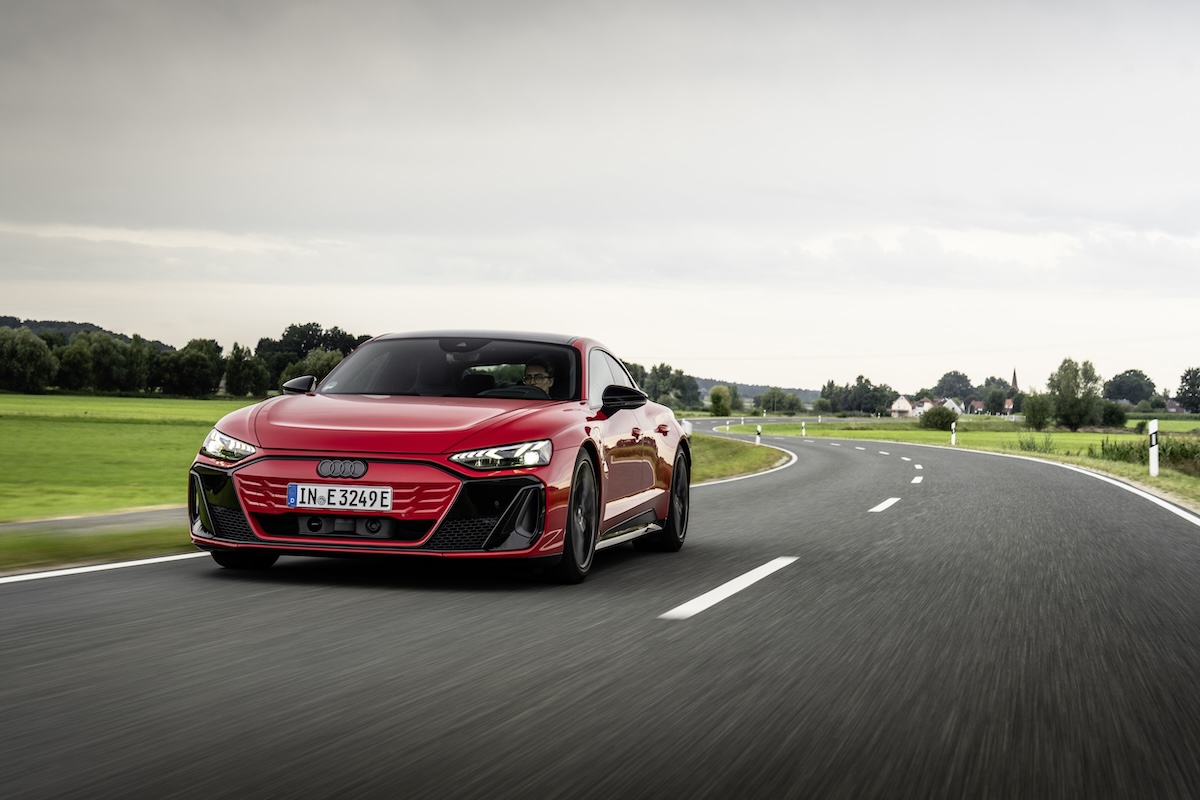
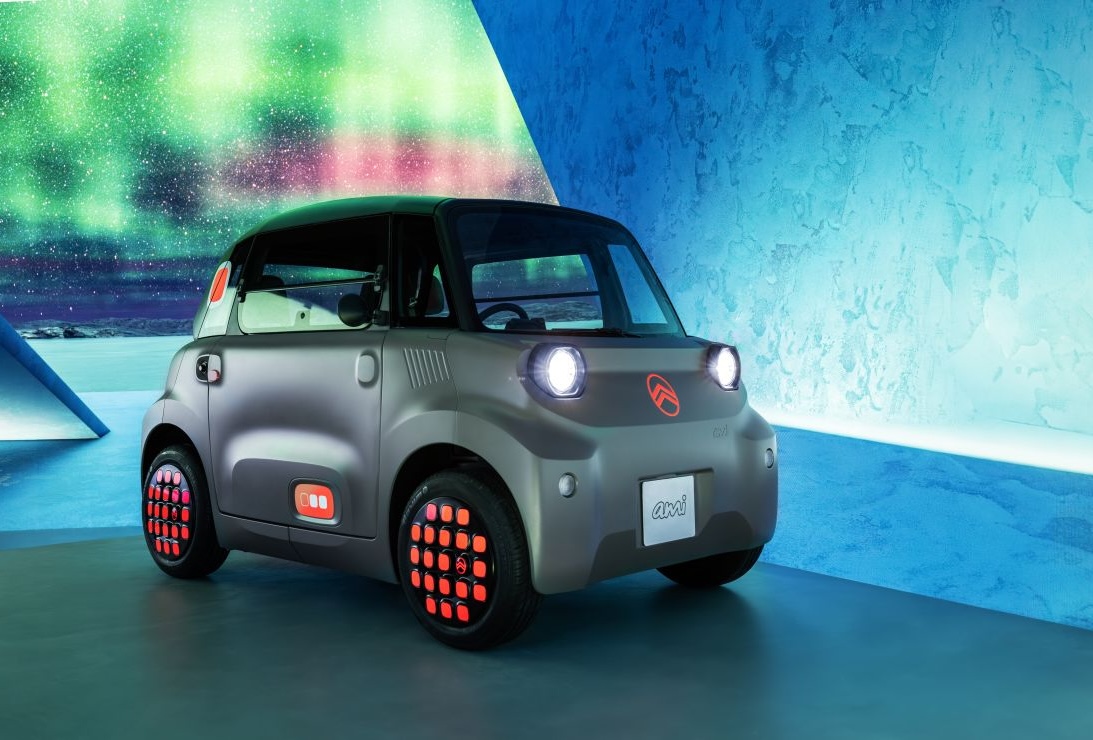
In addition, the EU is considering the creation of a new regulatory category for “small electric vehicles,” which would be subject to lighter safety and technical requirements. Small EVs produced within the EU would also be eligible for additional CO₂ credits. This initiative suggests that, as electrification of larger vehicles encounters obstacles, the EU is seeking alternative breakthroughs centered on cost efficiency and localized manufacturing.
Overall, the proposal highlights a shift in EU automotive policy from a highly idealized, “single-path electrification” approach toward a more pragmatic strategy of “multiple technologies in parallel.” In the short term, this may buy European automakers some breathing room. Over the longer term, however, a lack of clear and resolute direction risks turning policy reversals themselves into another source of competitive erosion. Standing at a critical crossroads, Europe’s automotive industry now faces a defining question: is this retreat a pragmatic correction, or a sign of strategic hesitation? Only the market and time will tell.