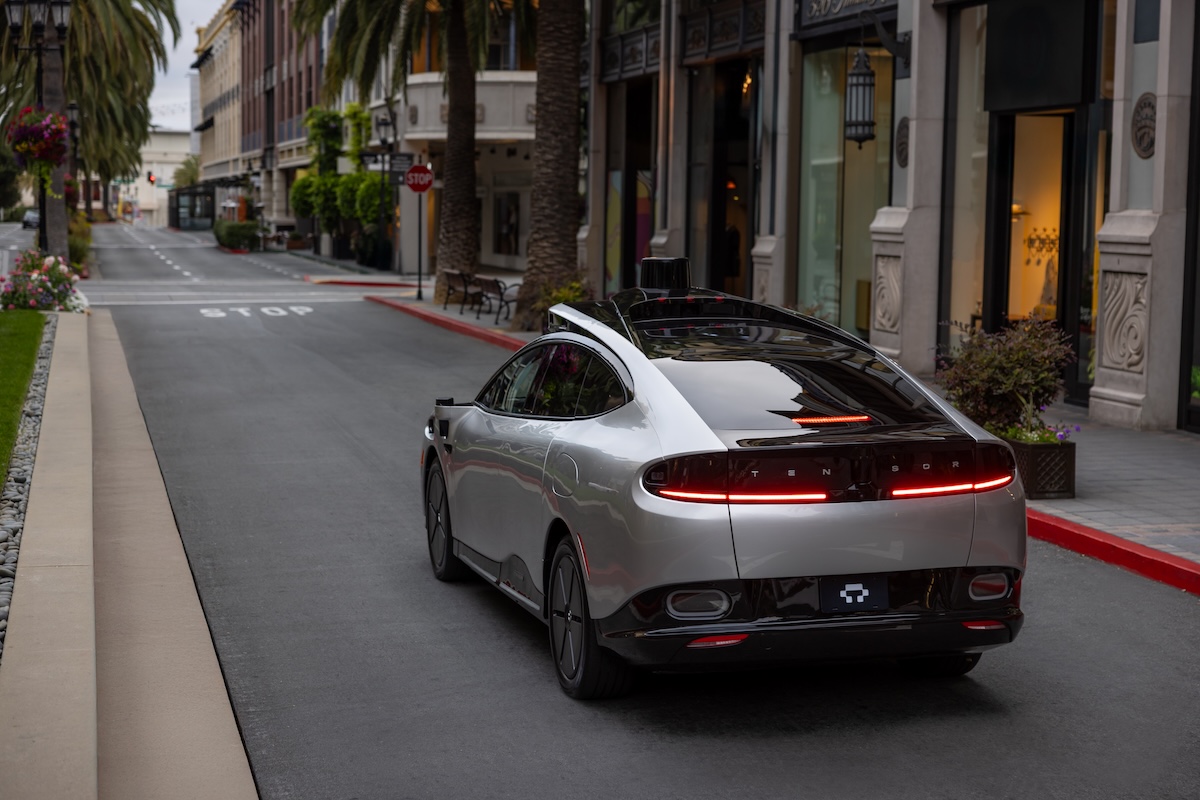
The Tensor Robocar is not a traditional vehicle with autonomous driving “bolted on,” but a machine built from the ground up for AI. It uses a fully vertically integrated sensing, computing, and decision-making architecture, turning the vehicle itself into an embodied AI with perception, reasoning, and action capabilities. With over a hundred sensors, fully redundant electronic systems, and mechatronics designed specifically for autonomous operation, the Robocar is the world’s first mass-production vehicle engineered from its earliest design stage for Level 4 self-driving. Its AI architecture follows a human-like dual-system model: a reactive System 1 for rapid responses and a reasoning-capable System 2 for handling complex scenarios—signifying a shift from rules-based autonomy toward generative, cross-modal reasoning.
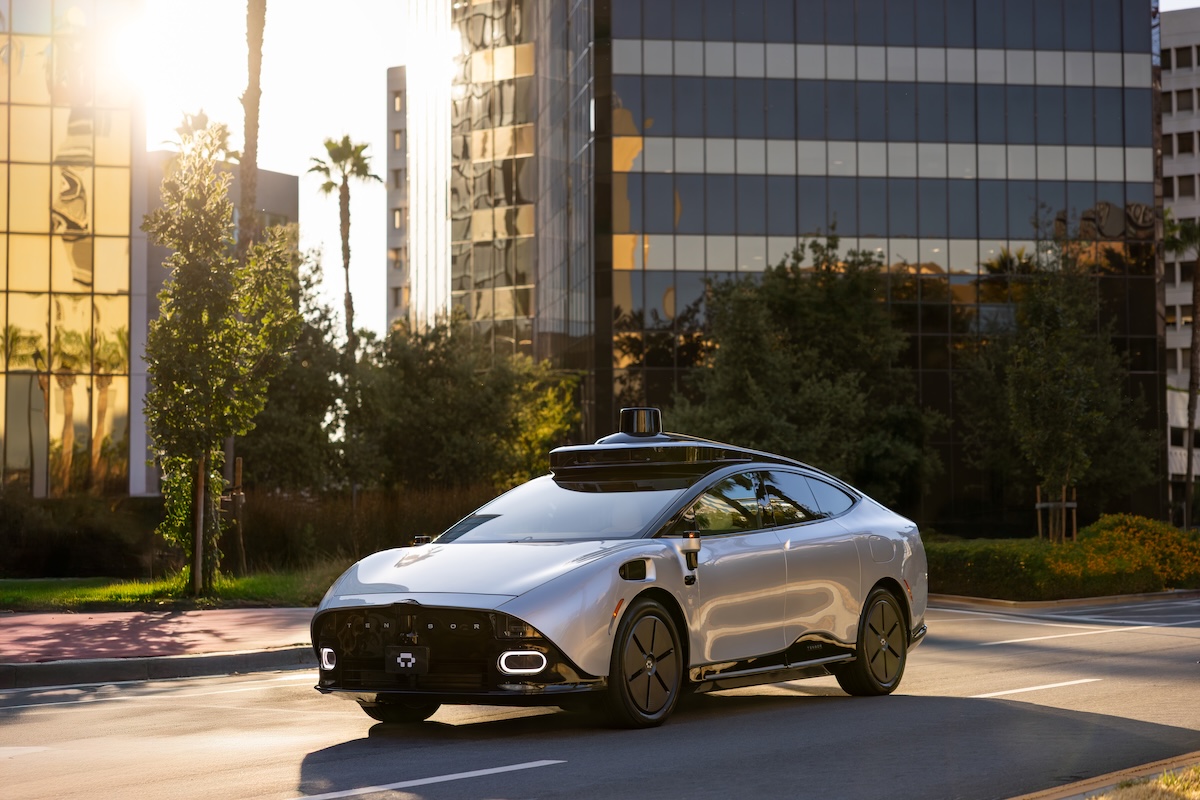
The greater industrial disruption comes from Tensor’s decision to target the “personal autonomous car” market rather than relying on the RoboTaxi model currently favored by automakers and tech giants. RoboTaxis require massive operations, fleet management, and expensive back-end systems, keeping costs high and preventing autonomous driving from becoming mainstream. Tensor instead aims to offer a Level 4 vehicle that can self-inspect, clean sensors, self-park, self-charge, and even perform OTA maintenance and remote diagnostics. This reduces dependence on technical staff and creates a vehicle capable of sustaining everyday autonomous usage. It is the first time autonomous vehicles shift from “operational assets” to “consumer products,” potentially entering daily life the way smartphones did.
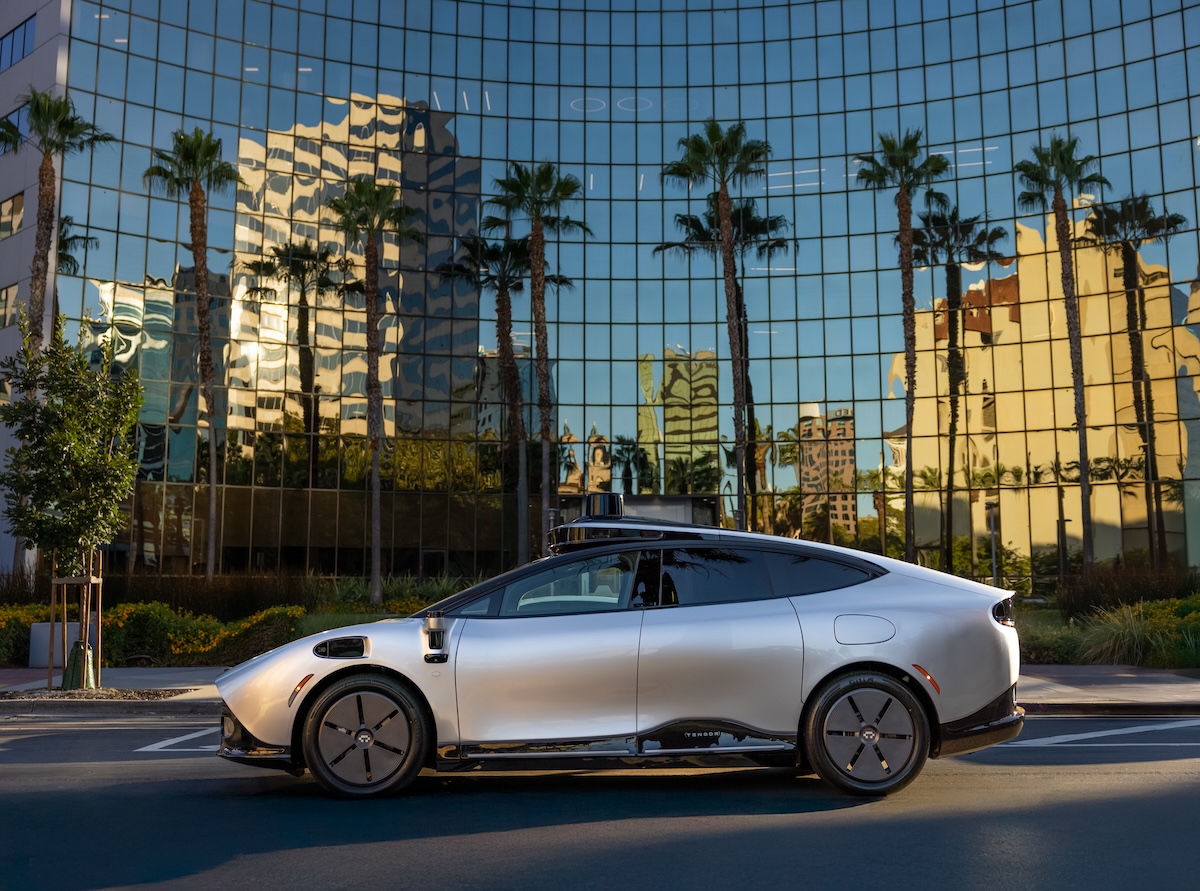
Tensor’s technical philosophy also pushes data sovereignty to an extreme. The Robocar does not rely on the cloud for personal data processing; instead, all location information, preferences, imagery, and driving records are processed locally and stored in encrypted form. Physical lens shutters and hardware microphone cutoffs are built in, making “privacy” a foundation of the product rather than a feature toggle. In an era of data-driven, AI-centric mobility, Tensor is proposing a new value: that an individual’s control over their data and AI agent will become a key criterion when choosing a vehicle.
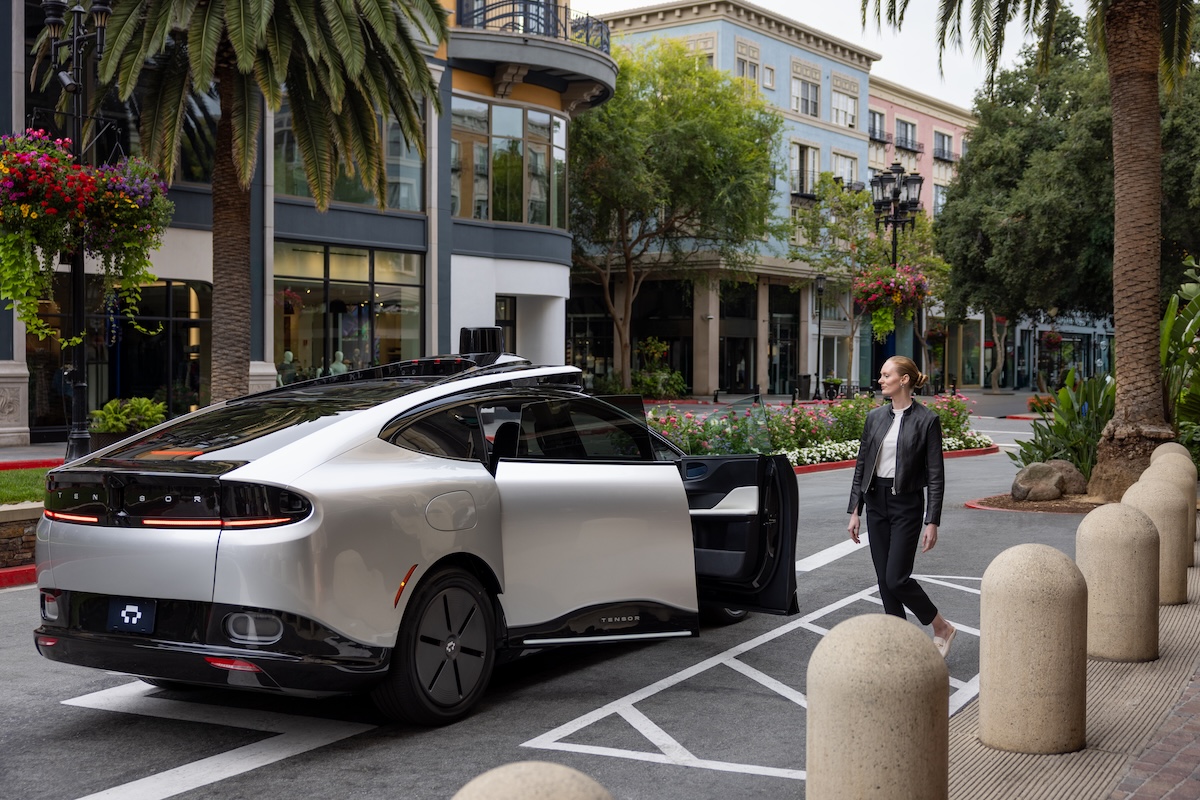
More importantly for the industry, Tensor is positioning the Robocar as an “AI agent vehicle,” giving it agentic abilities. It can interact with the user through language, gestures, or remote commands, supporting cross-modal perception and tool-use. This means the vehicle is no longer just an autonomous transportation device, but a personal AI capable of understanding semantics, interpreting context, and performing tasks independently. This direction advances far beyond current in-car voice assistants, shifting AI’s role from functional aid to “character” and “collaborative partner.”
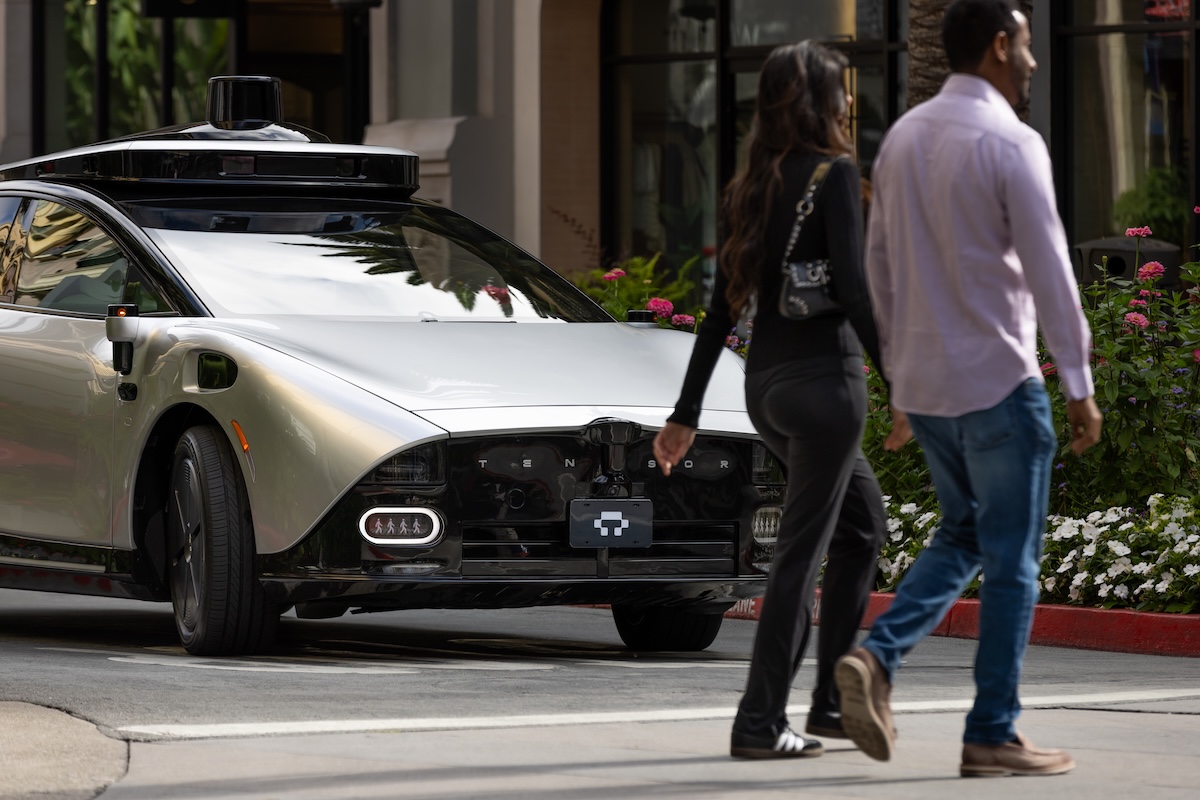
Tensor’s partnership with Lyft amplifies the disruptive nature of its business model. Through a “Lyft-ready” integration, owners will be able to send their Robocar onto the ride-sharing network without ever sitting in the driver’s seat, generating income immediately. This transforms a personal vehicle from a depreciating asset into a revenue-producing one. Lyft also plans to bundle cleaning, maintenance, and charging services, enabling AV owners to manage their vehicles with minimal effort. This “personal fleet” ownership model could accelerate mass adoption, as it fundamentally redefines a car’s economic value and may reshape auto finance, insurance, leasing, and the aftermarket.
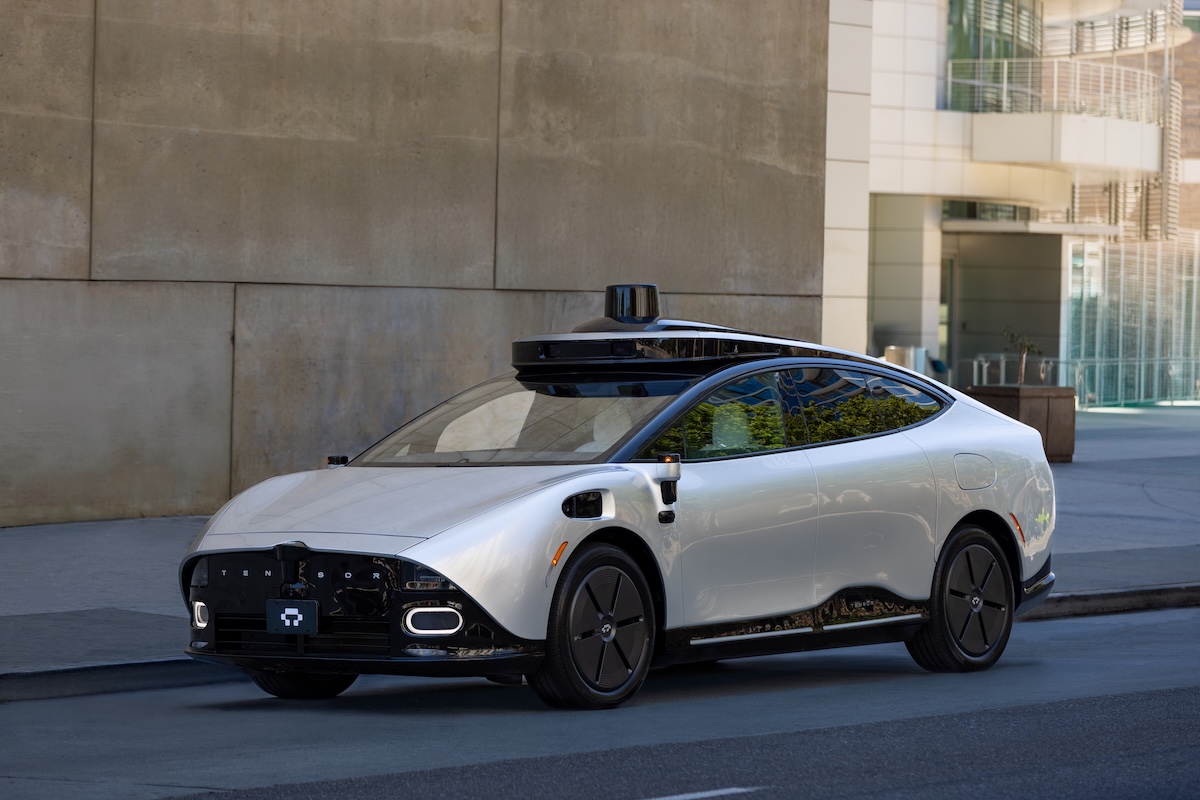
From a supply-chain perspective, Tensor’s tightly integrated technological ecosystem requires first-tier companies—such as NVIDIA, Sony, Samsung, Bosch, and ZF—to collaborate extensively. This signals that future automotive competitiveness will depend more on chips, software stacks, AI models, and sensor-fusion capabilities than on traditional automotive engineering. Such a structure inevitably pushes automakers toward becoming “AI-native companies,” accelerating the industry’s long-term shift from hardware manufacturing to software-driven development.
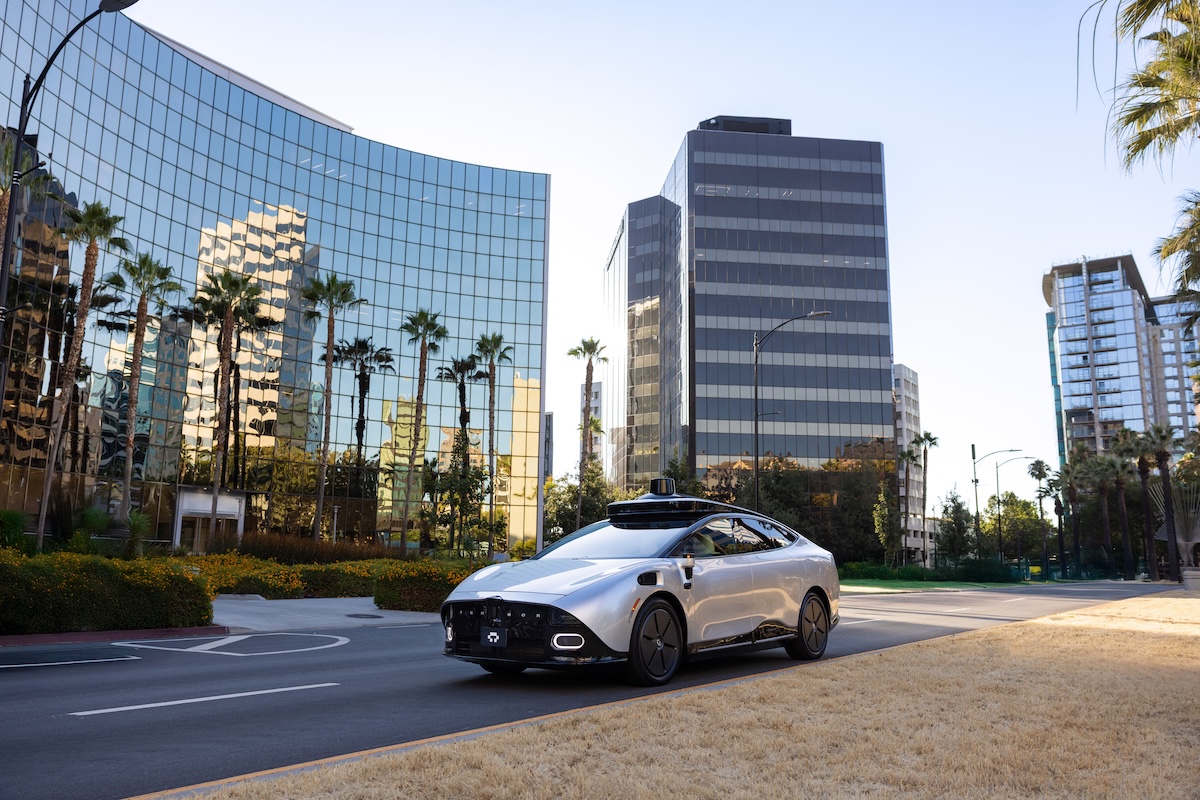
Overall, the Tensor Robocar represents far more than the launch of a single model; it embodies a fundamental industry shift. Autonomous driving is evolving from an enterprise-oriented operational tool into a personal consumer product. AI is moving from an assistive function to an embodied agent. Privacy is becoming a core architectural principle, not an optional extra. And vehicles are transitioning from depreciating goods into intelligent assets capable of generating income. While major automakers remain focused on Level 2+ and Level 3 systems, Tensor has leapfrogged toward a vision of mass-market Level-4 personal vehicles, positioning itself as a pioneer of new vehicle architectures and business models. If its ecosystem successfully materializes by 2026, the automotive industry may face its most significant paradigm shift of the 21st century.