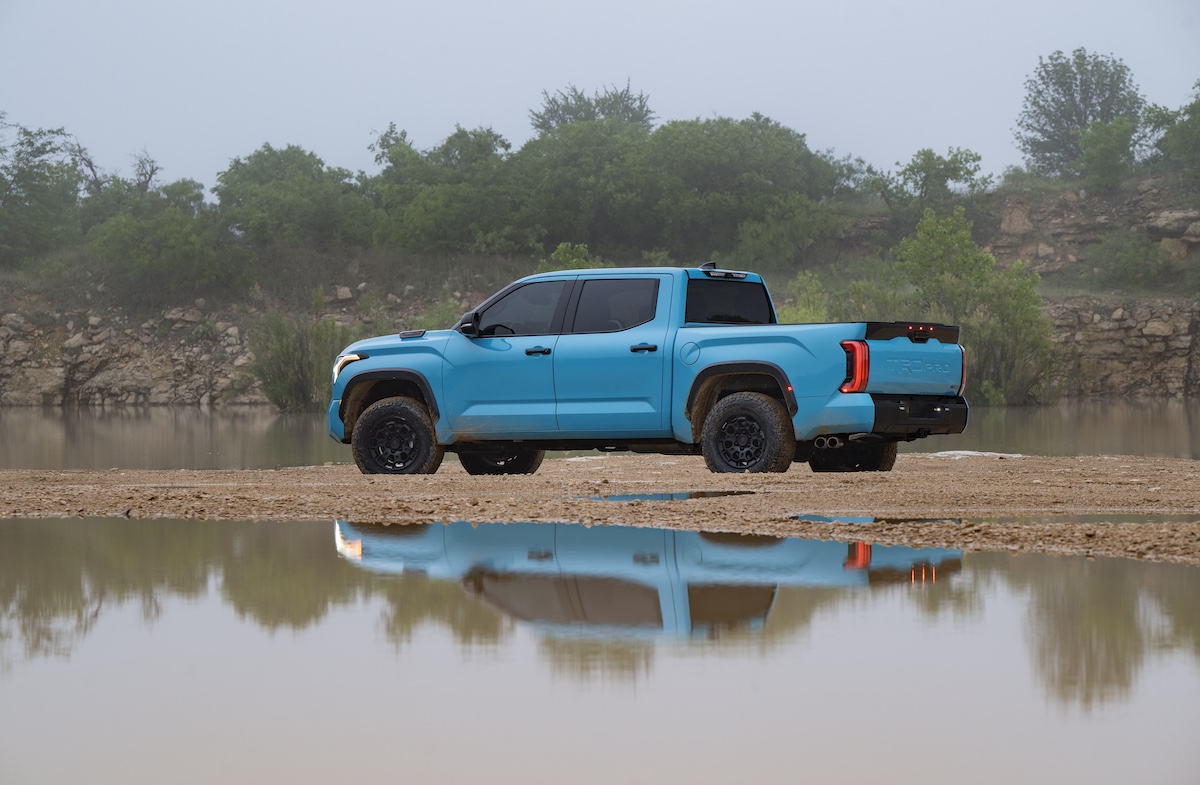
From an industry perspective, this policy change has the most direct impact on Toyota, which is currently evaluating the possibility of reverse-importing vehicles from the United States. Toyota is considering bringing into Japan models such as the Camry, Tundra, and Highlander—vehicles that are produced in the U.S. but not currently sold in the Japanese market. These models, largely falling into the mid- to large-size sedan, pickup, and SUV segments, would fill long-standing gaps in Japan’s domestic product lineup. However, sales channels and pricing strategies are still under evaluation, indicating that even with regulatory easing, market acceptance remains the biggest variable.
On the political front, the policy can be seen as a structural response by Japan to trade pressure from the United States. Former U.S. President Donald Trump repeatedly criticized the poor sales performance of American vehicles in Japan, describing the country’s unique safety and regulatory standards as non-tariff trade barriers. In response, Toyota Chairman Akio Toyoda has in recent years expressed a more open stance toward reverse imports, and a document released by the White House last October explicitly mentioned the idea of Japanese automakers importing vehicles back from the United States. As such, the simplification of certification procedures is not merely a technical administrative adjustment, but also carries a clear diplomatic signal: Japan is willing to reduce friction at the institutional level to prevent the automotive sector from once again becoming a focal point of bilateral trade tensions.

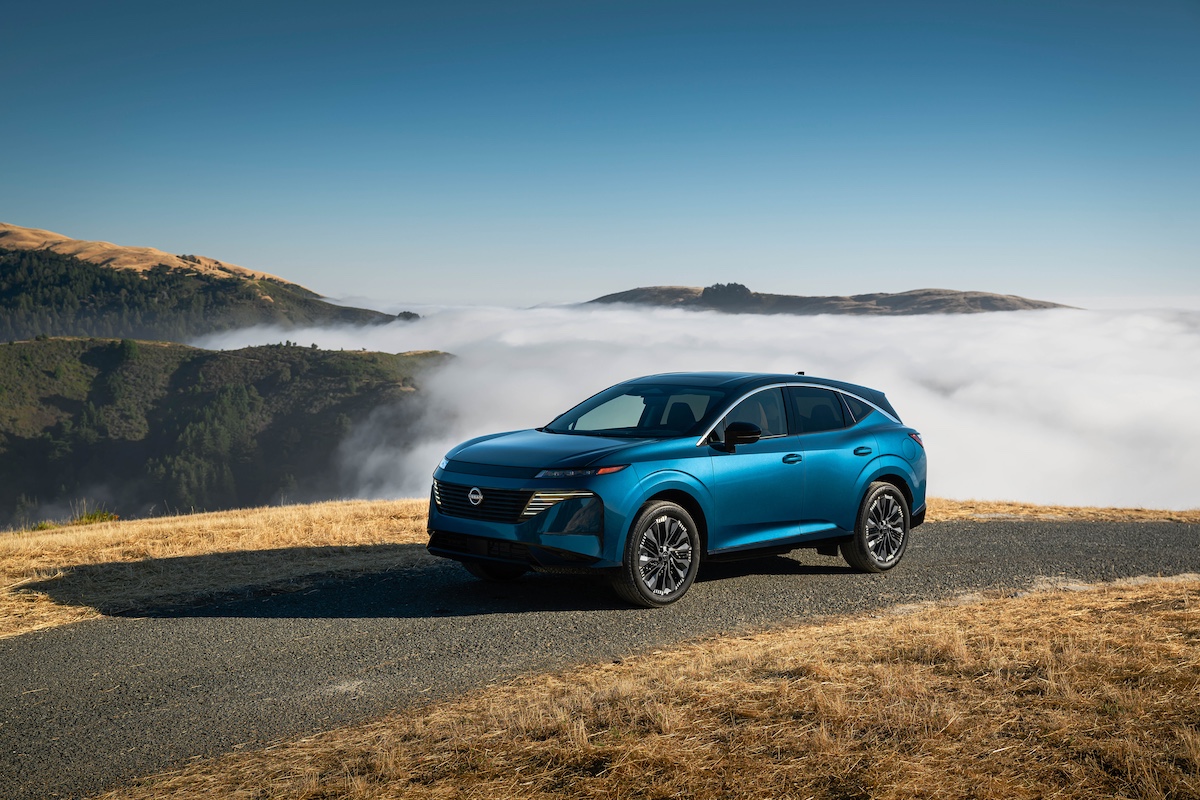
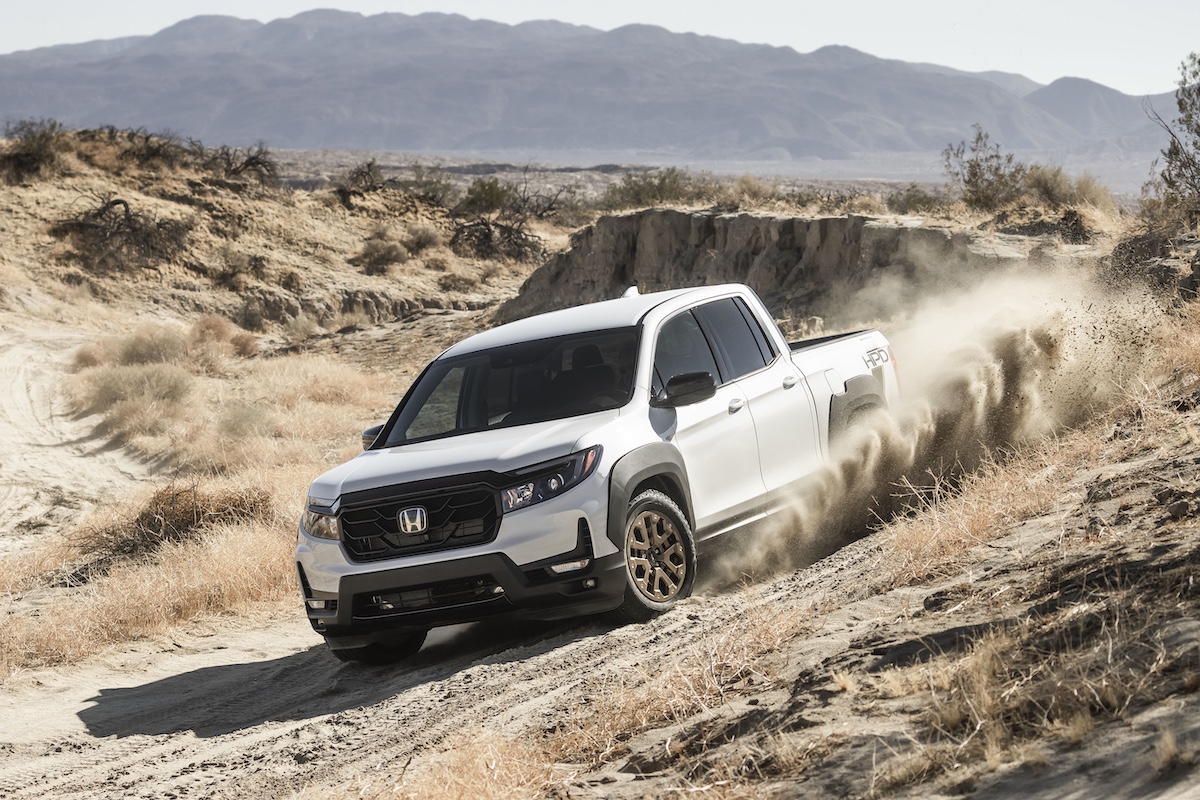
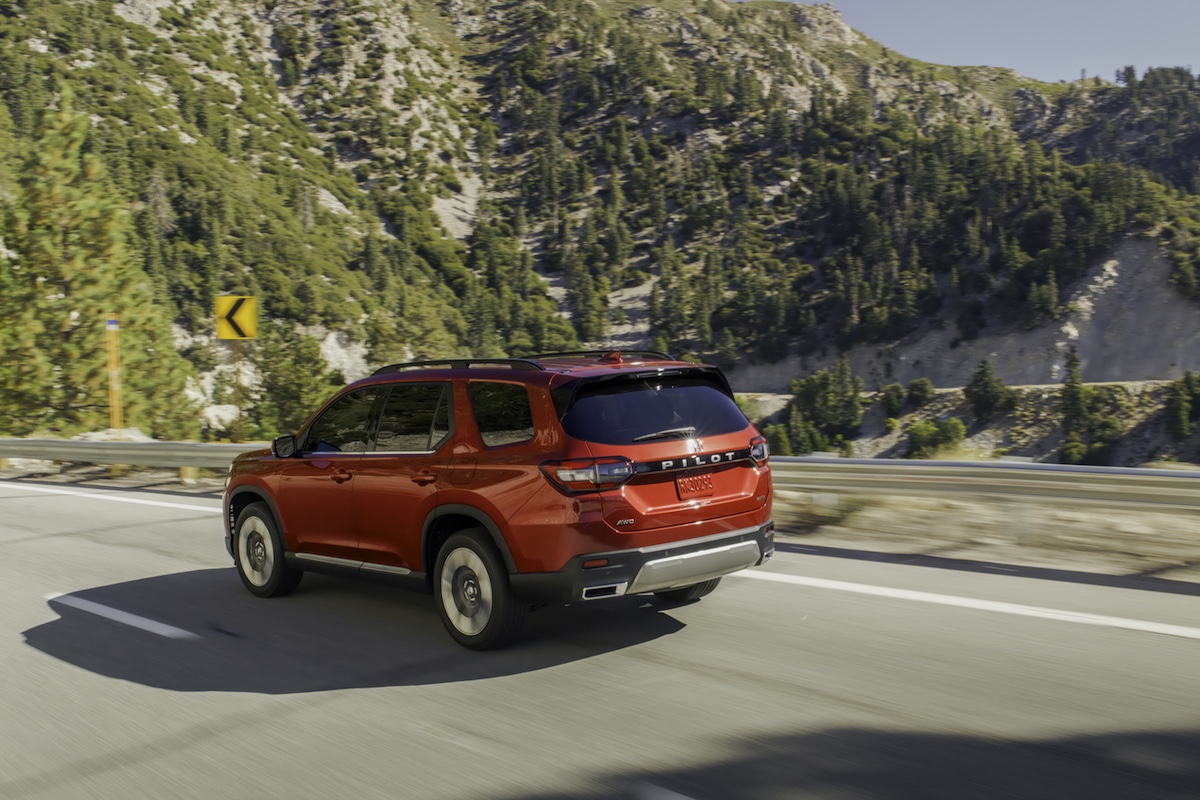
Beyond Toyota, other Japanese automakers are also evaluating similar approaches. Honda Motor is considering importing the Ridgeline pickup and the Pilot SUV, while Nissan Motor is assessing models such as the Murano and Pathfinder SUVs. These vehicles are typically positioned as high-priced, high-margin products in the North American market, and successful entry into Japan could help diversify market risk and improve overall profitability.
That said, challenges remain. The Japanese market has long favored smaller vehicles with strong fuel efficiency, and whether American-style dimensions and powertrain setups align with Japanese consumer usage patterns remains to be seen. In addition, exchange-rate fluctuations, logistics costs, and brand positioning will all influence the real-world effectiveness of reverse-import strategies.
Overall, Japan’s easing of safety certification requirements for U.S.-made vehicles represents a policy adjustment with both industrial and diplomatic significance. It offers Japanese automakers new product and profit opportunities while partially addressing U.S. expectations for greater market openness. However, lowering regulatory barriers is only the first step. The true test lies in the market: whether these vehicles designed for the U.S. can attract a sufficient customer base in Japan will ultimately determine whether reverse imports can evolve from a political option into a sustainable, long-term business model.