Yet Tesla’s market capitalization, standing at approximately US$1.49 trillion (around NT$46.8 trillion), is not built on traditional automotive manufacturing logic. Many investors are choosing to look past near-term financial headwinds and instead focus on the long-term vision articulated by Elon Musk, encompassing fully autonomous driving, the Robotaxi platform, and high-potential AI applications such as humanoid robots. Market sentiment is being driven by Tesla’s progress in self-driving technology and its autonomous ride-hailing ambitions, with the Cybercab—expected to enter full-scale production in 2026—widely viewed as a critical milestone for validating that vision.
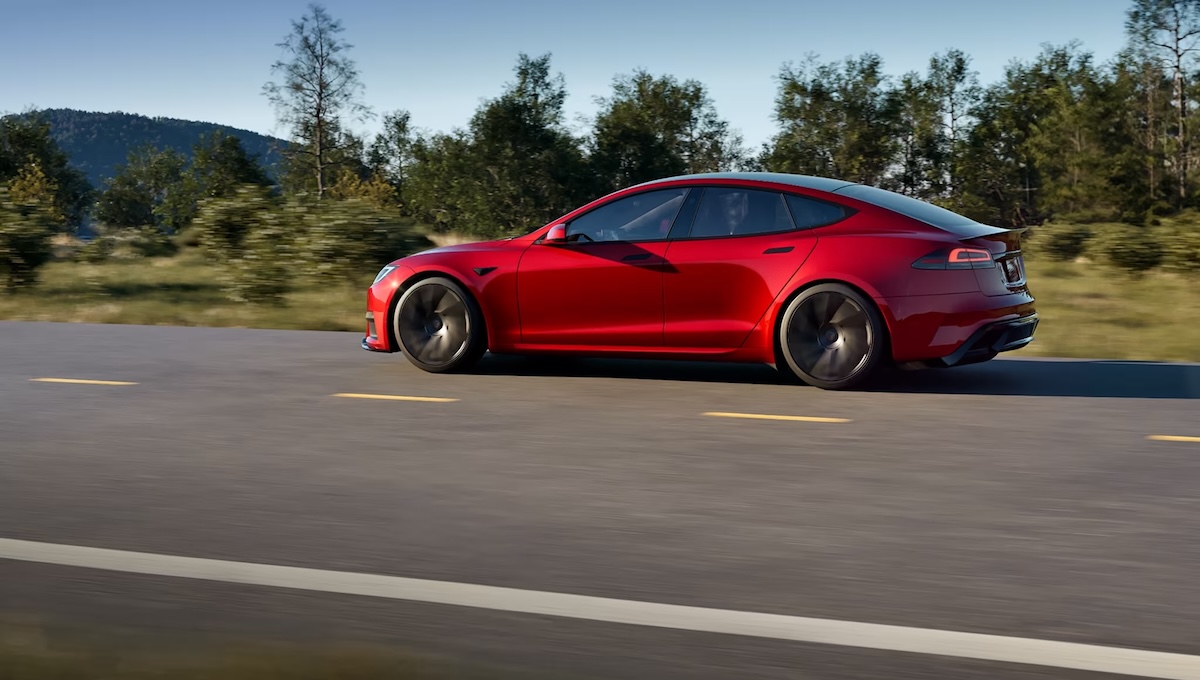
With earnings likely to appear weak, sustaining a compelling future-growth narrative has become essential to supporting Tesla’s lofty valuation. Elon Musk recently announced that Tesla’s Robotaxi service in Austin, Texas, has begun carrying passengers in vehicles without a human backup driver, a development seen as a significant breakthrough in autonomous deployment. Although Tesla previously failed to meet its goal of launching robotaxis widely across multiple U.S. cities by the end of 2025, this progress has nonetheless reignited market imagination.
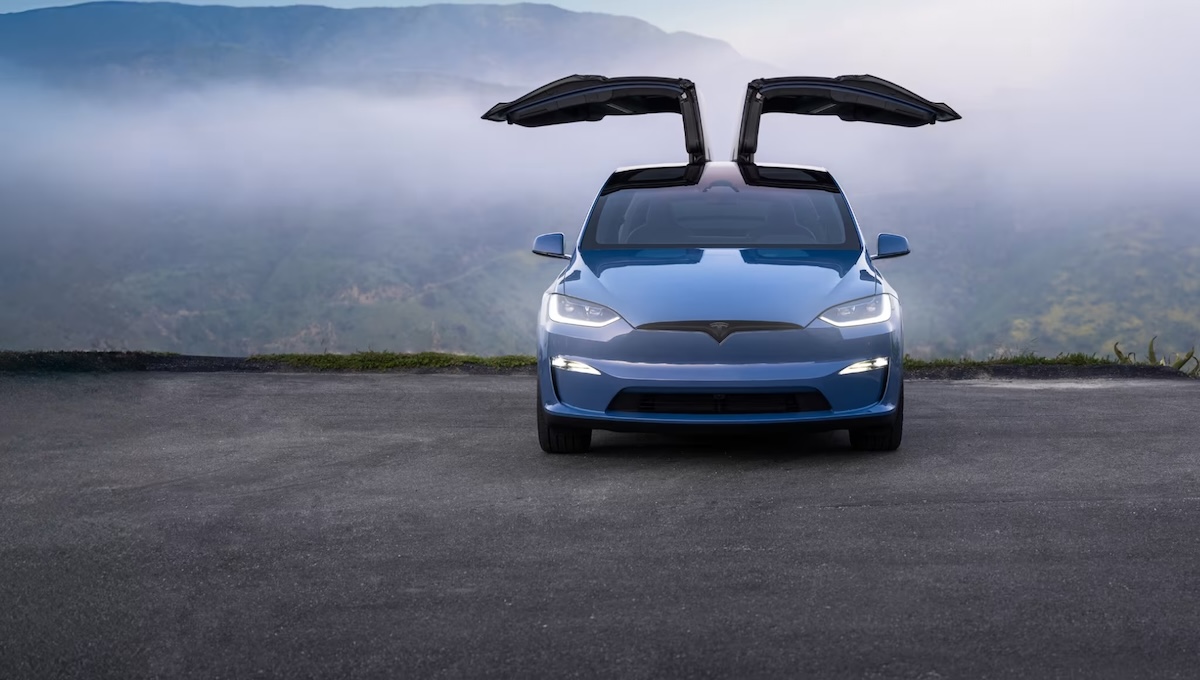
On the commercialization front, an ecosystem is gradually taking shape around Tesla’s Full Self-Driving (FSD) system. Insurer Lemonade has announced a 50% discount on premiums for Tesla drivers based on miles driven using FSD, effectively offering an endorsement of the system’s safety credentials. At the same time, Elon Musk has stated that FSD could receive regulatory approval in Europe and mainland China as early as next month. If realized, this would open up vast overseas software markets for Tesla and accelerate the shift of autonomous driving features from optional add-ons to core value propositions.
In addition, Tesla continues to refine its software monetization strategy by moving certain highway driver-assistance features—previously included with vehicle purchases—into a monthly subscription model in North America. This underscores the company’s efforts to build recurring revenue streams from AI-driven functionality. Whether it is the development timeline of the Cybercab or the maturity of FSD technology, these issues are expected to dominate questions from institutional investors and shareholders alike.
From a longer-term perspective, 2026 is widely seen as a pivotal turning point—one that will determine whether artificial intelligence can evolve from a cost center into a genuine source of revenue and profit, rather than remaining a cash-intensive R&D endeavor. Such expectations are reshaping how the market evaluates Tesla’s underlying value.
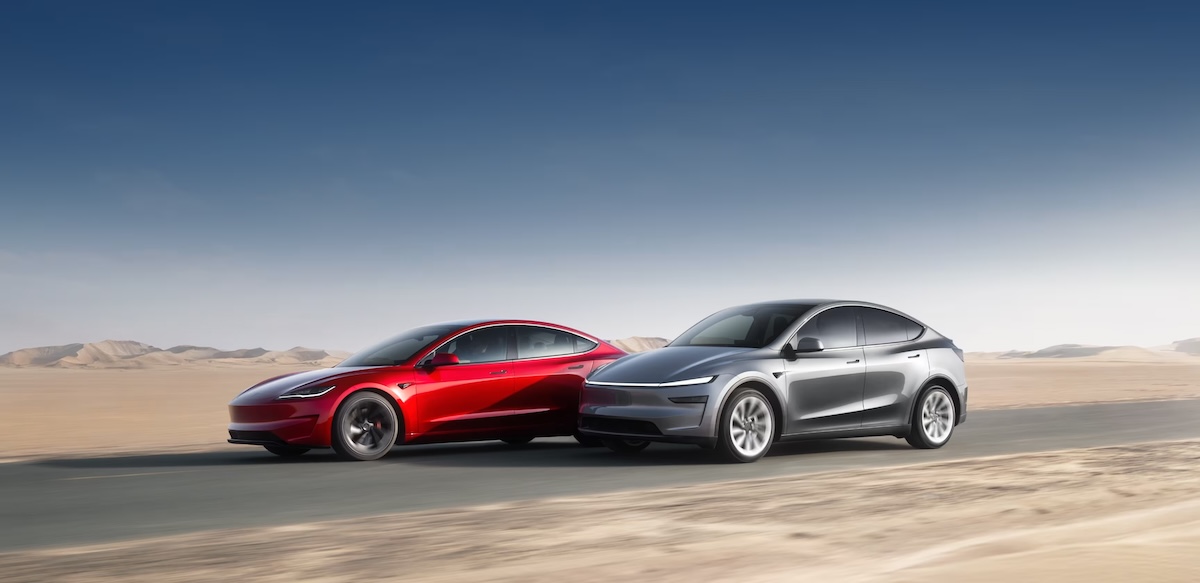
Returning to its core automotive business, Tesla’s ability to sustain profitability in the EV market has long been central to its investment appeal. However, after two consecutive years of declining deliveries, market attention is shifting away from margins and toward sales volume. According to Wall Street expectations, Tesla is projected to return to growth in 2026, with deliveries rising by around 8%, though this may come at the cost of further short-term pressure on gross margins.
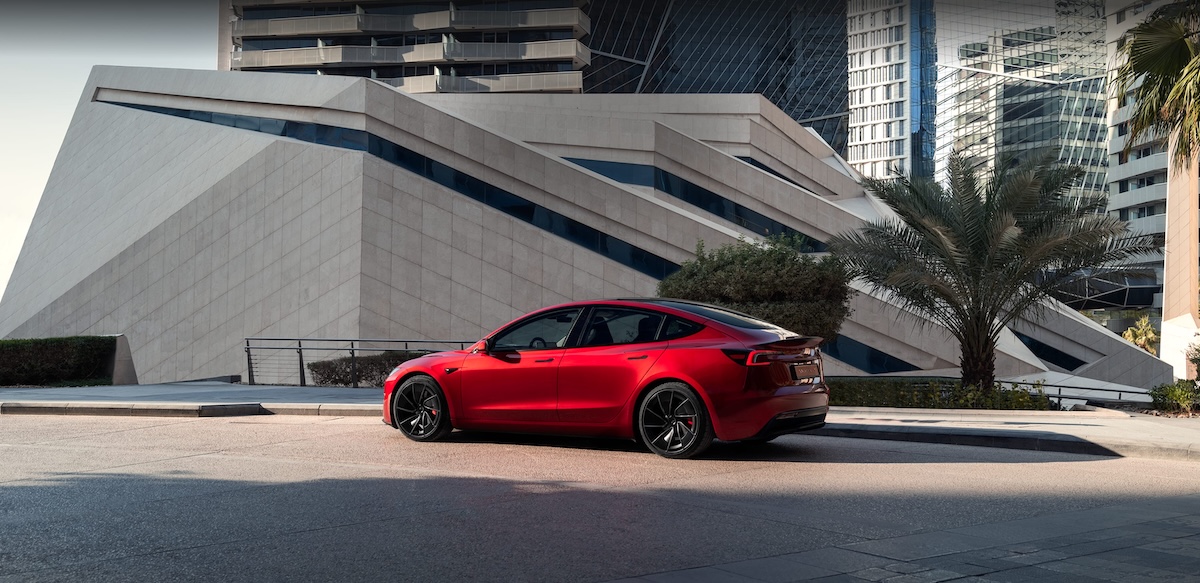
Visible Alpha estimates that Tesla’s automotive gross margin in the fourth quarter of 2025, excluding regulatory credits, could fall to 14.3%, the lowest level in three quarters, while revenue from regulatory credits continues to shrink. Shay Boloor, Chief Market Strategist at Futurum Equities, argues that this is not simply an operational misstep, but a deliberate strategy: Tesla is sacrificing near-term per-vehicle margins to expand fleet scale, recognizing that maximizing platform value depends on the ability to monetize autonomy and software services over time.
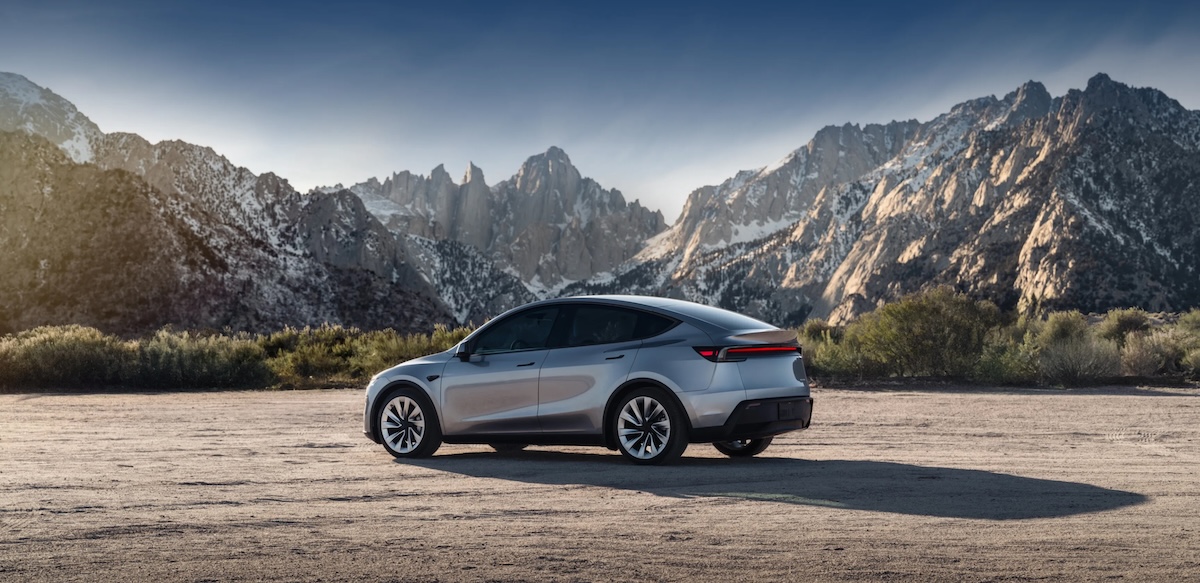
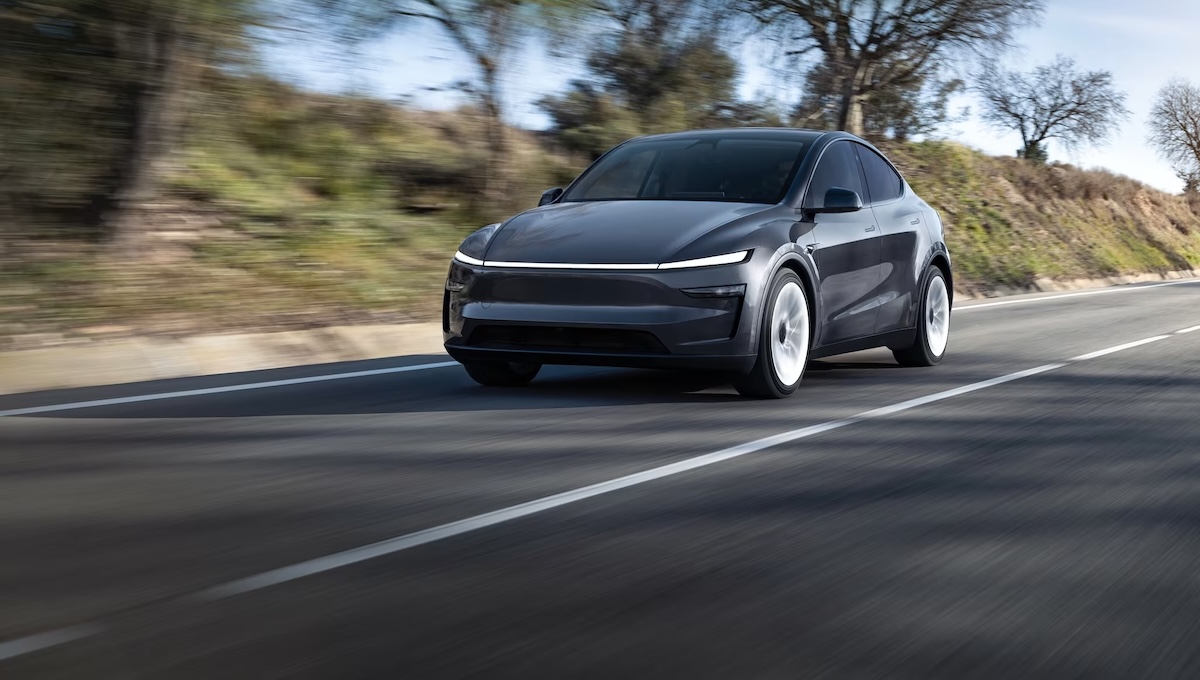
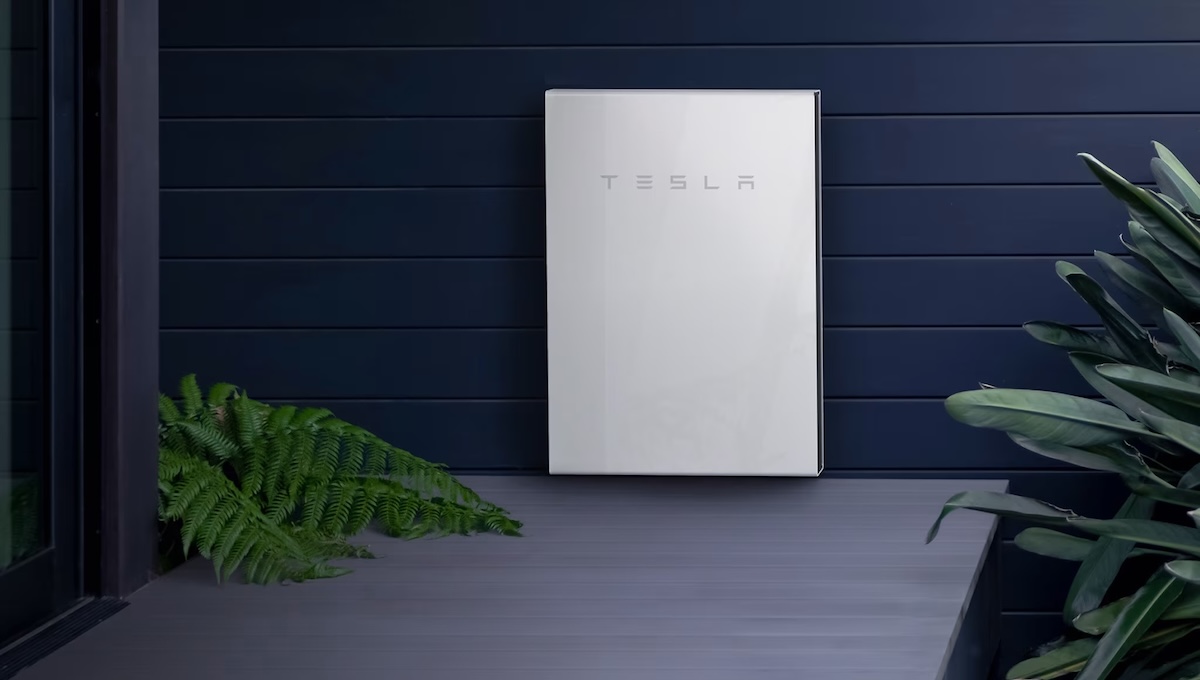
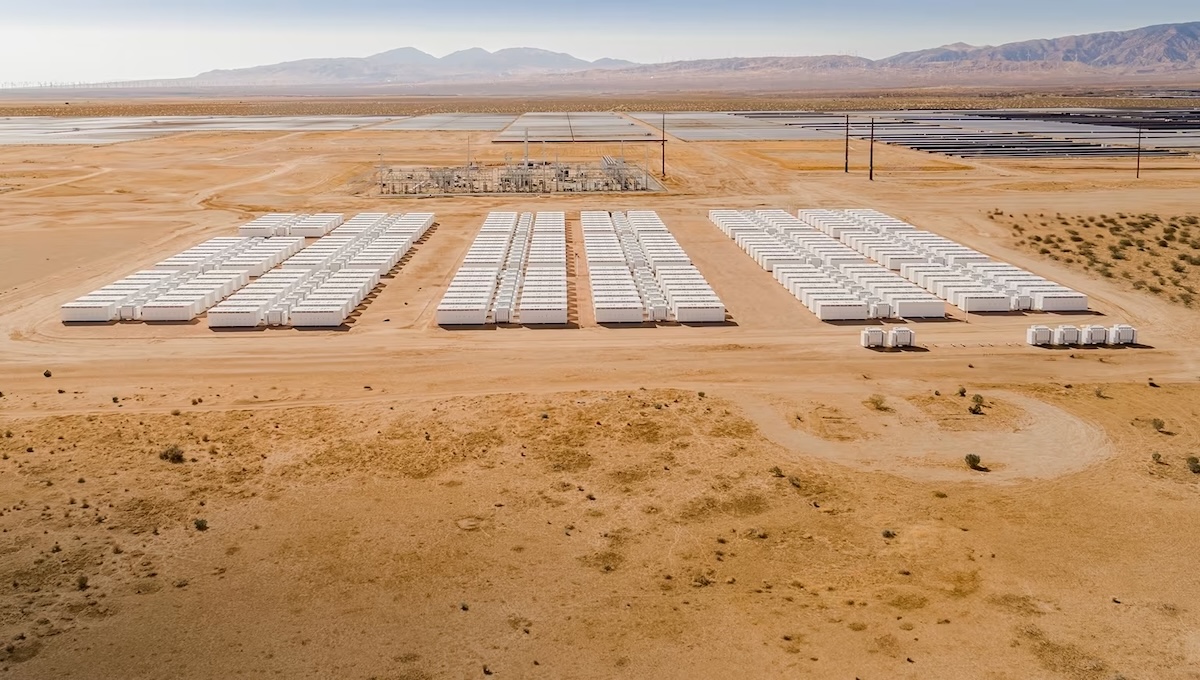
At the upcoming earnings call, whether Elon Musk will disclose more details on the sales performance of the lower-priced Model 3 and Model Y Standard variants will be closely watched. These models are key tools for expanding Tesla’s user base. At the same time, Tesla’s energy storage business is expected to emerge as another bright spot, with revenue projected to grow by 44% year-on-year, providing additional support to the company’s broader growth narrative.
Overall, this earnings release represents something of a test of conviction for Tesla. While the near-term financial figures may be underwhelming, what investors truly want to know is whether the long-term story of autonomous driving and artificial intelligence is beginning to move from vision toward measurable reality. For Tesla, the answer will not only influence its share price trajectory, but also shape its position within the future automotive landscape.