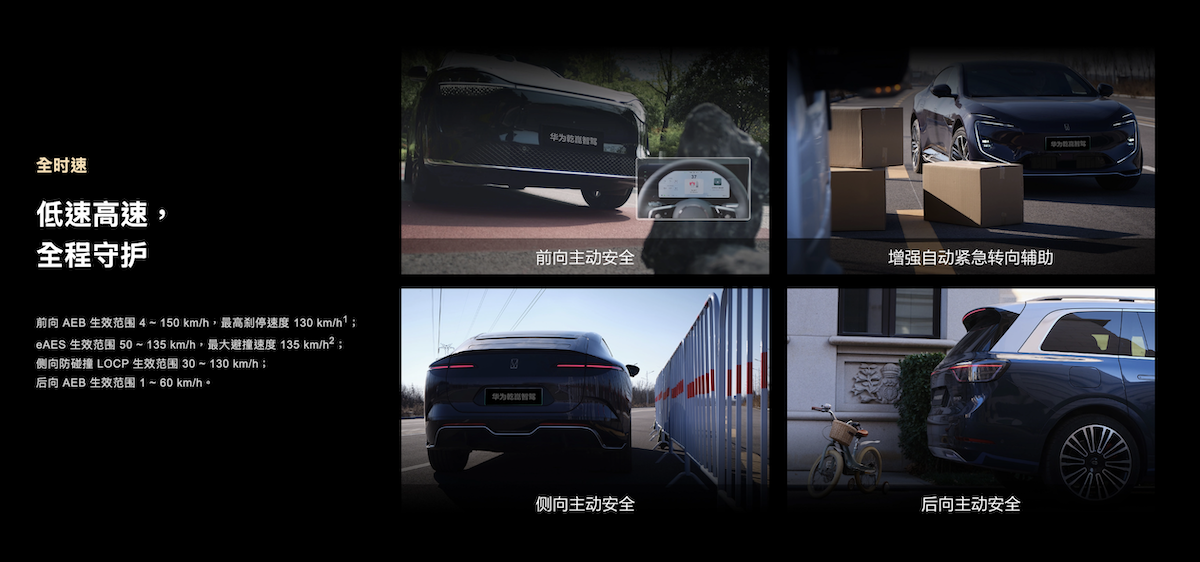
From an installation volume perspective, Huawei expects cumulative sales of vehicles equipped with Qiankun ADS to reach 3 million units by the end of 2026, roughly double the level recorded in 2025. This figure not only highlights the rapidly growing demand for advanced driver assistance systems in the mainland Chinese automotive market, but also indicates that Huawei has moved beyond the early stage of technology validation and is entering a critical phase of large-scale commercialization and platform-based expansion.
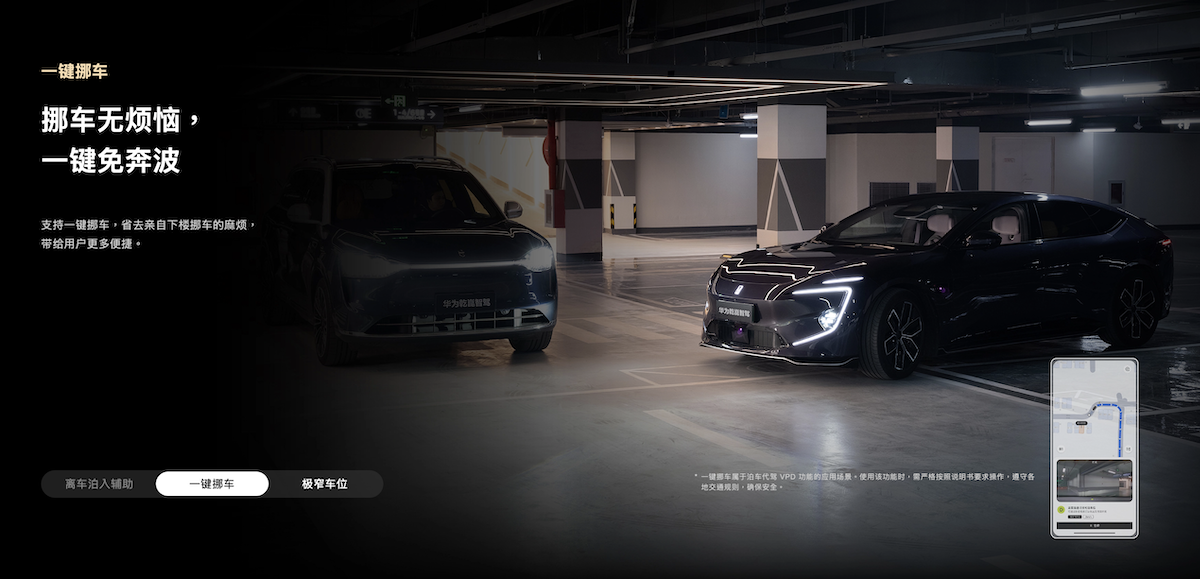
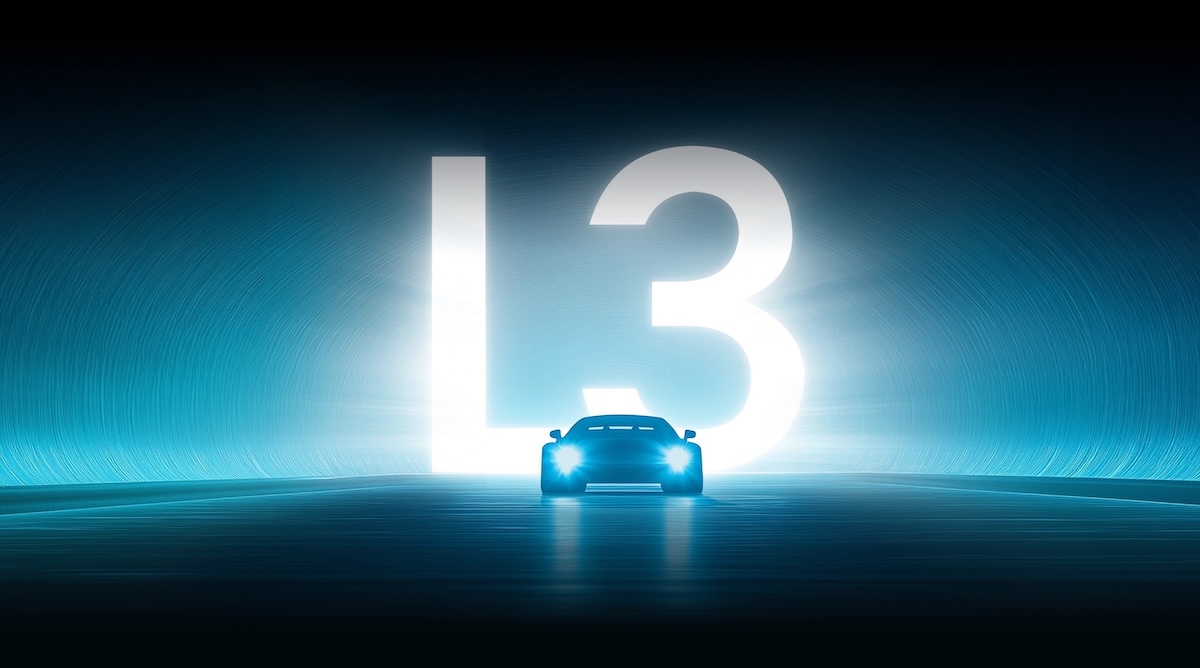
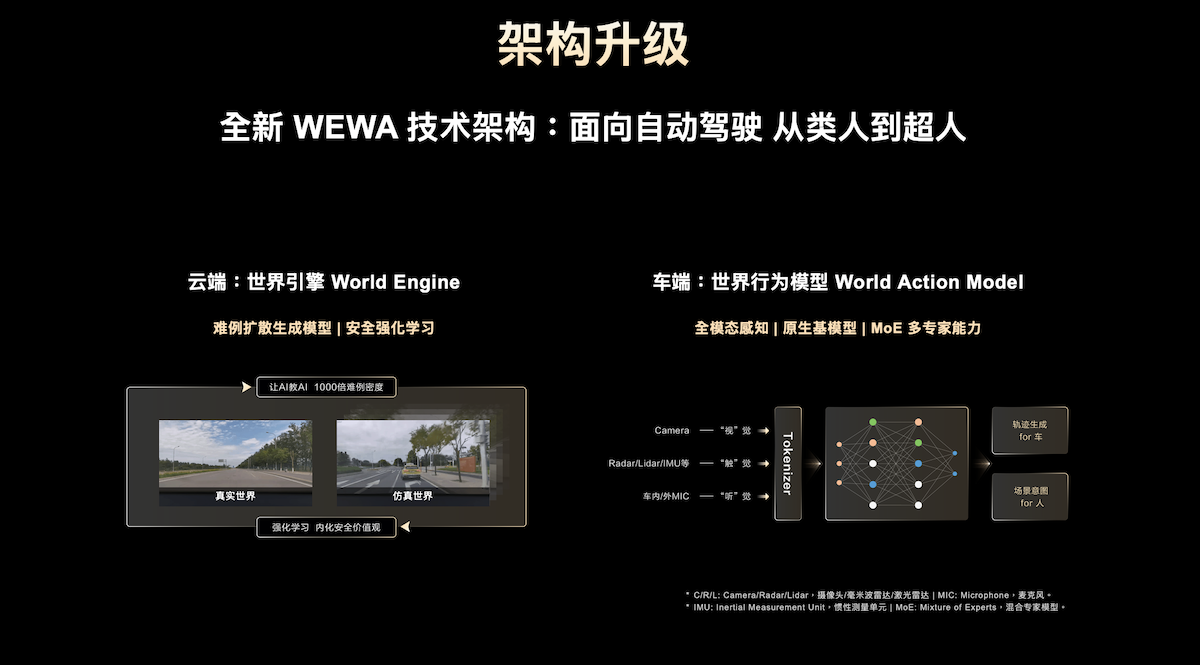
In terms of business strategy, Huawei is pursuing a dual-track approach. On one hand, Qiankun ADS is being integrated into brands and vehicle models jointly developed by Huawei and automakers, with deep involvement in vehicle electronic and electrical architectures as well as software integration. On the other hand, Huawei is also supplying the system as a Tier 1 vendor to automakers outside its brand partnerships, thereby expanding its customer base and shipment volume. The system features Navigate on Autopilot (NOA) capabilities—enabling acceleration, braking, steering, and other maneuvers under specific conditions—targeting the most commercially viable L2+ to quasi-L3 application scenarios currently in the mainland Chinese market.
From a product planning perspective, Huawei’s collaborations with domestic automakers in mainland China are expected to yield at least 12 all-new vehicle models by 2026. When facelifts and redesigns of existing models are included, the total number is expected to approach 20. Partner automakers include major state-owned groups such as Guangzhou Automobile Group and Dongfeng Motor Group, whose newly launched brand models will all be equipped with Qiankun ADS, indicating that Huawei has successfully penetrated the core product lines of mainstream mainland Chinese automakers.
Notably, Huawei has also begun to move beyond its existing partnership framework by supplying driver assistance systems to automakers that have not previously adopted its technology. Starting in 2026, SAIC-GM-Wuling will introduce Qiankun ADS in a new SUV model, while FAW Group plans to adopt the system for its Hongqi brand. This will mark the first time either automaker has used Huawei’s driver assistance solution, making these adoptions highly symbolic milestones for Huawei.
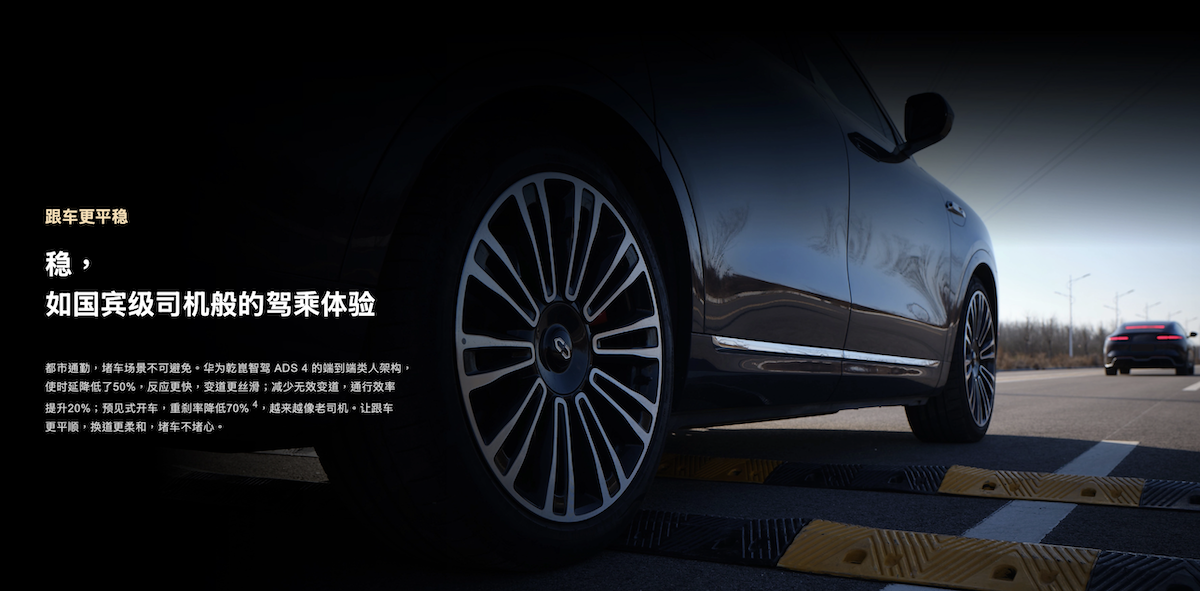
In terms of market positioning, Huawei clearly recognizes that advanced autonomous driving functions have long been constrained by high costs and are therefore typically limited to mid- to high-priced vehicle segments. As a result, Huawei plans to launch a more cost-effective driver assistance system starting this year, integrating sensors and cameras and targeting mass-market vehicles priced around RMB 150,000 (approximately NT$681,000). This move is expected not only to rapidly expand installation volumes but also to directly reshape the competitive dynamics of the mainstream passenger car market in mainland China.
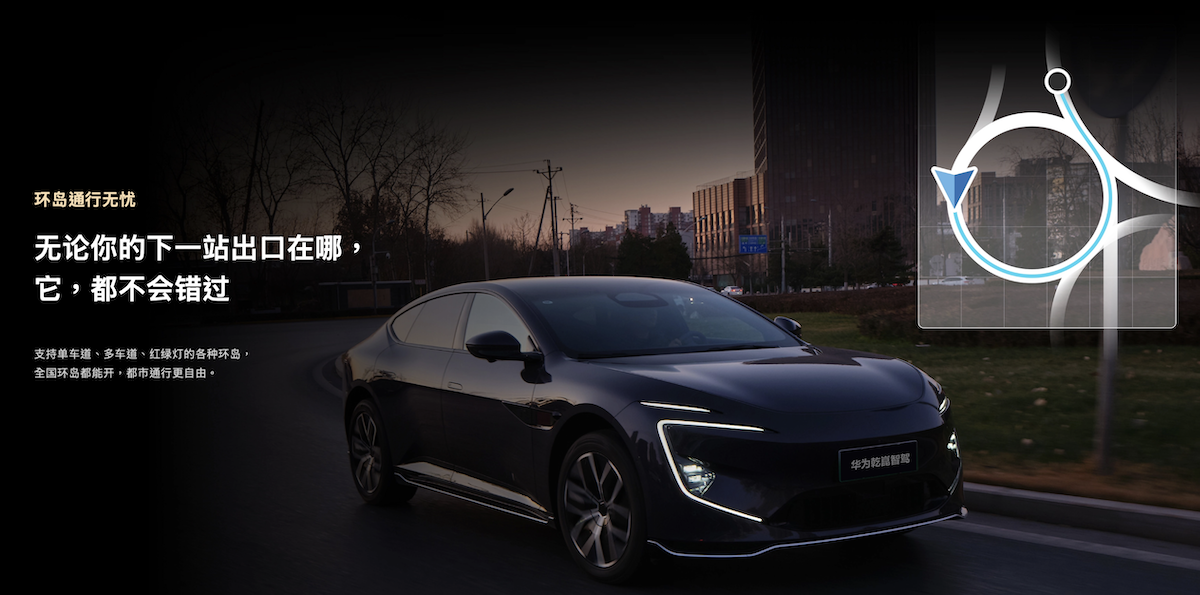
From an industry-wide perspective, Huawei’s accelerated push into automotive technology is closely linked to the impact of U.S. sanctions on its core mobile communications business. Automotive electronics, intelligent cockpits, and driver assistance systems have become critical new battlegrounds for Huawei—both as channels for exporting its technological capabilities externally and as avenues for absorbing internal R&D resources. In terms of market share, from January to November 2025, Huawei accounted for approximately 20% of the mainland Chinese market for third-party driver assistance technology providers, ranking second behind Momenta, which specializes in this field and held a market share of around 60%.
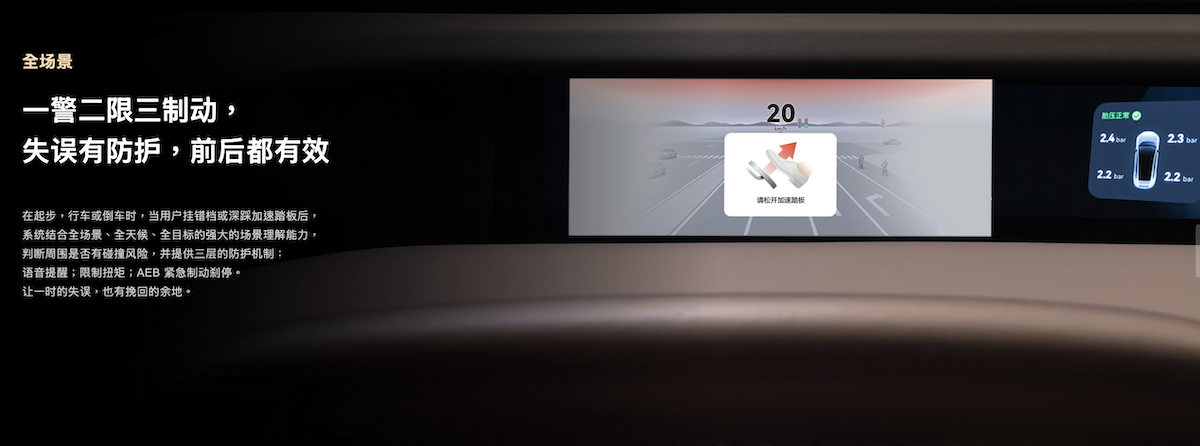
Overall, Huawei is gradually transforming from a technology supplier into a key platform player within mainland China’s intelligent driving ecosystem. As the number of partner automakers, vehicle model coverage, and price segments continues to expand downward, the pace of Qiankun ADS’s growth over the next two to three years will not only shape Huawei’s own positioning within the automotive industry, but may also significantly influence the power structure and competitive landscape of mainland China’s intelligent driving technology supply chain.