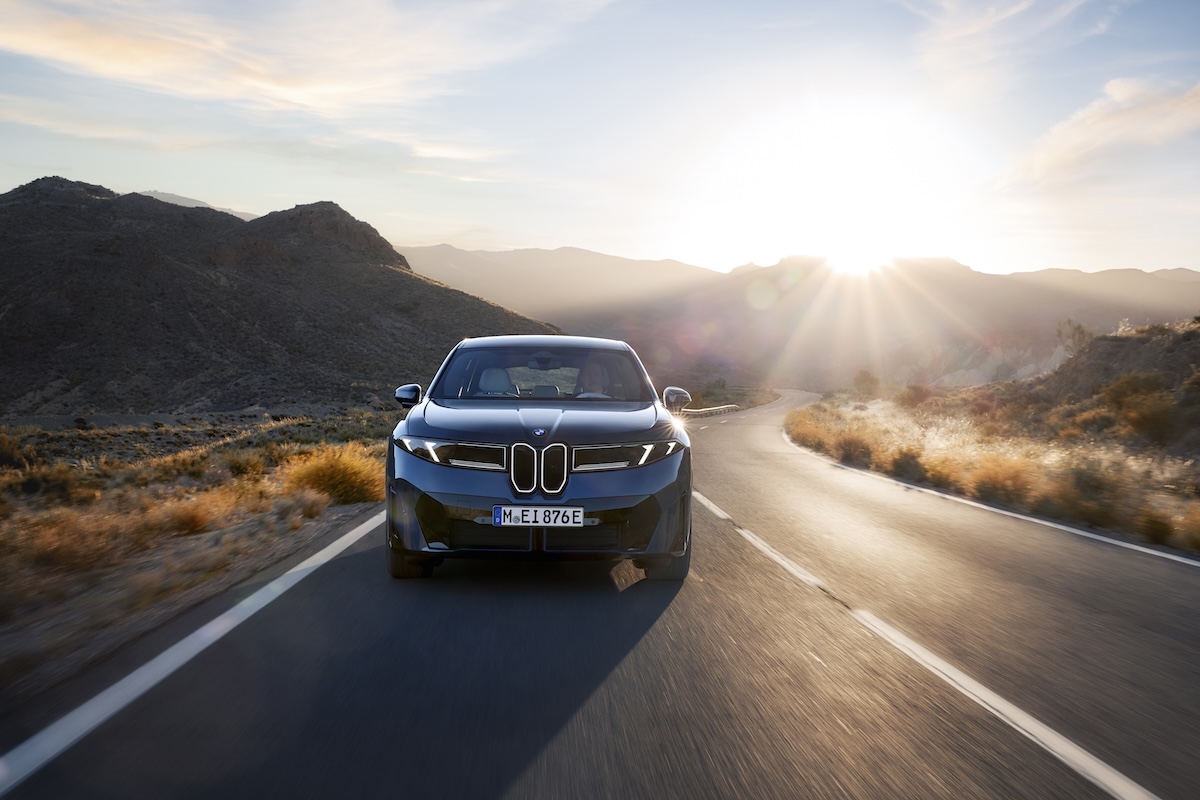
The EU’s combustion-engine ban has been controversial since its announcement, and rumors of a delay are not without basis. The German government has spent the past year firmly opposing a full phase-out of internal-combustion vehicles by 2035, arguing for the continued development of high-efficiency engine technologies and synthetic fuels (e-fuels). This summer, Italy, Portugal, Slovakia and Bulgaria jointly submitted an alternative proposal advocating a technology-neutral emissions target—requiring a 90% CO₂ reduction by 2035 and full 100% reduction by 2040—while allowing automakers to choose their own pathways to compliance. This indicates that internal EU discussions are gradually shifting from “pure EVs as the only solution” to “multiple drivetrains coexisting.”
If the EU ultimately decides to delay the ban to 2040, the UK may become one of the countries most significantly affected. The UK currently plans a full ban on new petrol and diesel cars by 2030, making it one of the most ambitious markets globally. Although regulations allow hybrids with sufficient electric-only range to remain on sale until 2035, a shift by the EU toward 2040 would place heavy pressure on the UK government from industry, labor unions and its supply chain to follow suit. Once the EU relaxes its timeline, it would be far more difficult for the UK to maintain its accelerated trajectory alone.
It is worth noting that this policy shift is unfolding at a delicate moment for the global EV market, which has shown signs of slowing. U.S. President Donald Trump recently reversed several policies designed to accelerate EV adoption, weakening American market momentum toward electrification and influencing automakers’ decisions on battery capacity and EV platform investments. With both the U.S. and the EU potentially revisiting their timelines, global manufacturers will likely need to reassess their medium-term electrification strategies and capital expenditure.
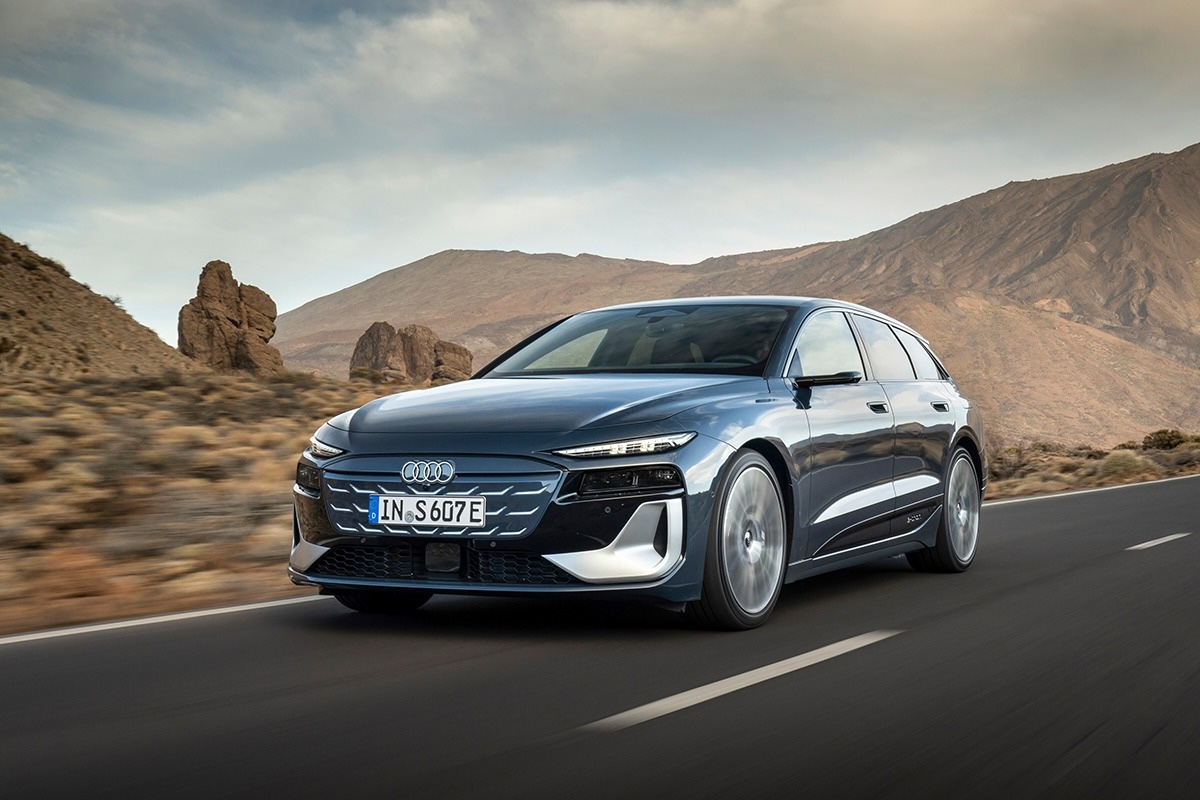
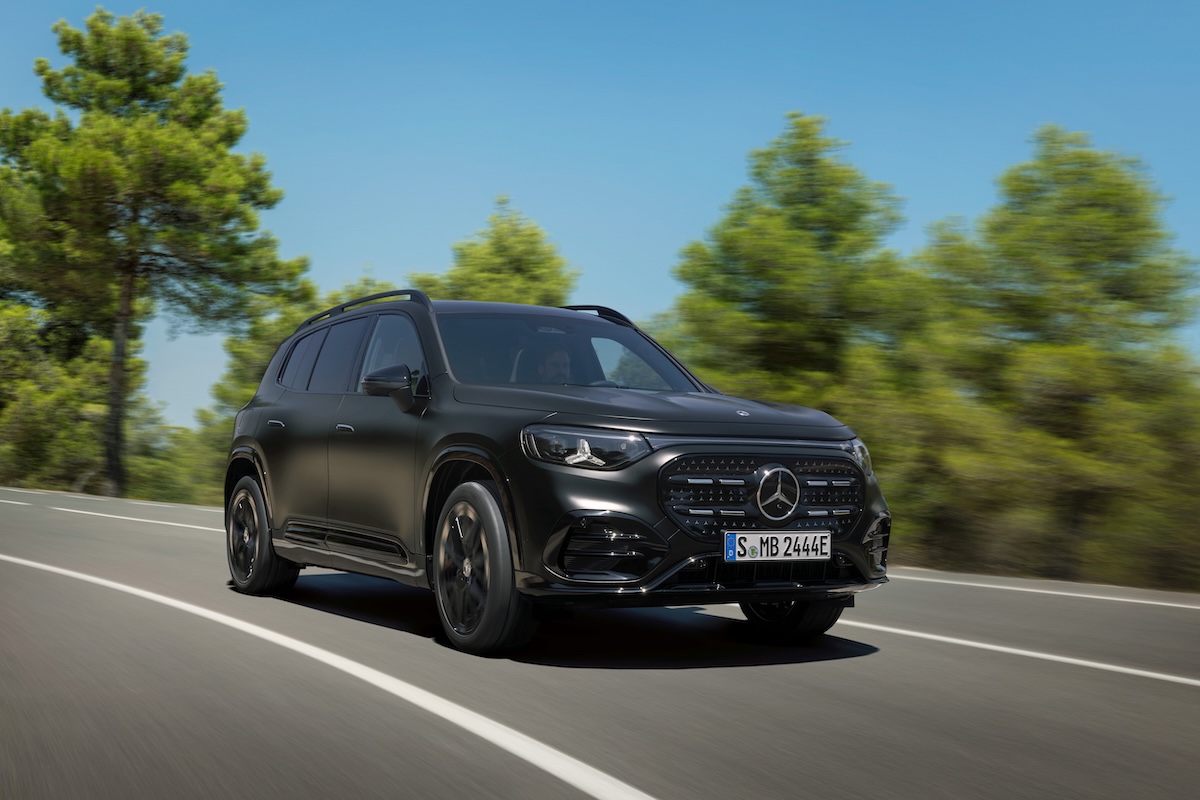
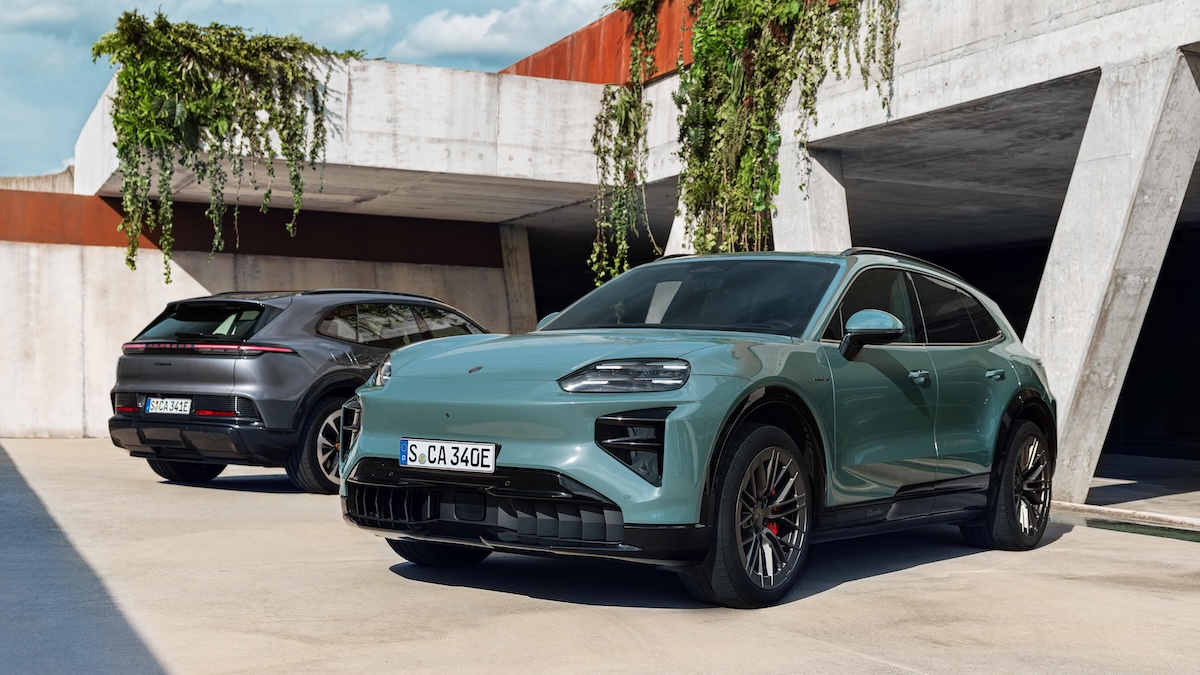
Across the industry, European automakers’ stances on the timeline are notably divided. German brands—including BMW, Mercedes-Benz and Audi—have deep investments in combustion-engine technology and existing supply chains. A postponed ban would reduce transition pressure and allow PHEVs and high-efficiency combustion vehicles to continue serving as key mid-term revenue pillars. In contrast, brands like Volvo and Polestar, which are further along in their electrification roadmaps, oppose any delay. Volvo CEO Håkan Samuelsson has openly stated that he sees “no logic in slowing down,” arguing that policy inconsistency undermines strategic cohesion across the industry.
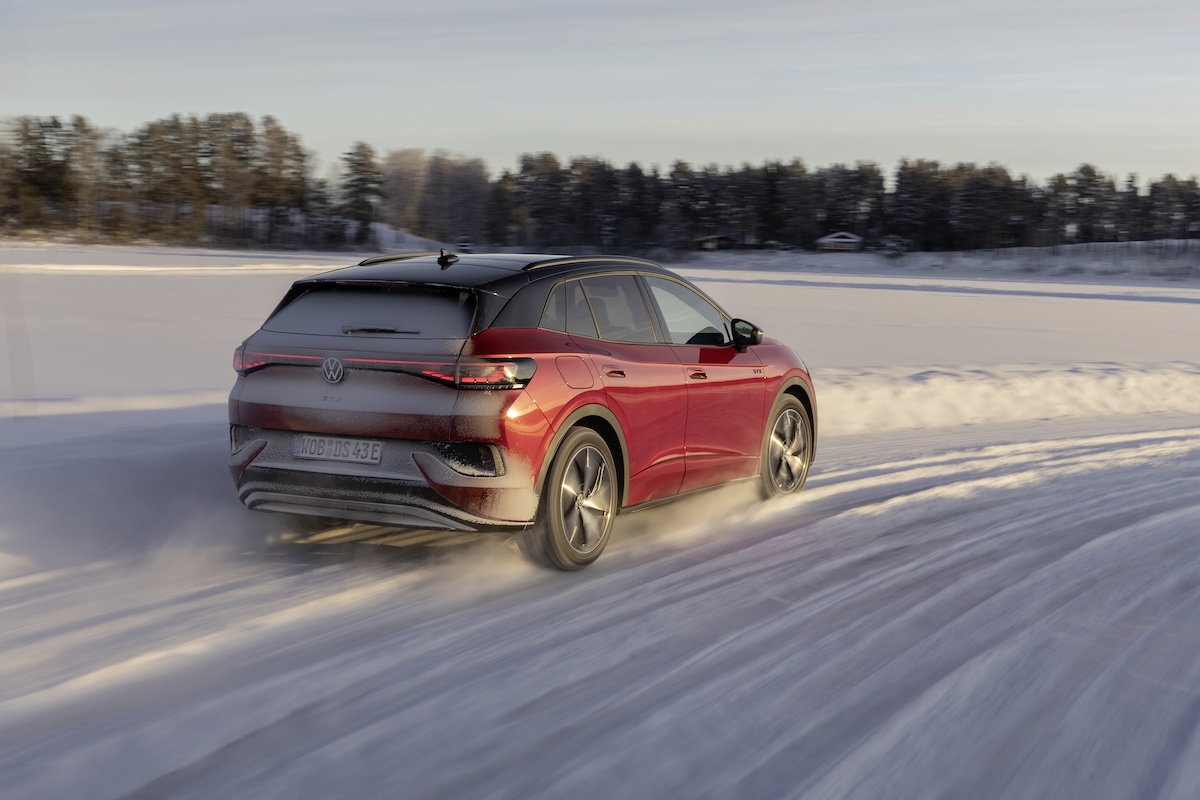
If the ban is delayed to 2040, the broader industrial landscape will change significantly. In the short term, PHEVs, HEVs and high-efficiency ICE vehicles will enjoy extended lifecycles, while alternative-fuel industries such as biofuels and e-fuels can expect increased investment. Automakers may also adjust EV development pacing to avoid over-investment before market readiness improves, while suppliers reassess their balance of motor production, assembly-line allocation, battery capacity and engine-component manufacturing. On the technology front, although electrification may decelerate, investment in software-defined vehicles (SDV) is expected to continue, as software capabilities remain central to future competitiveness.
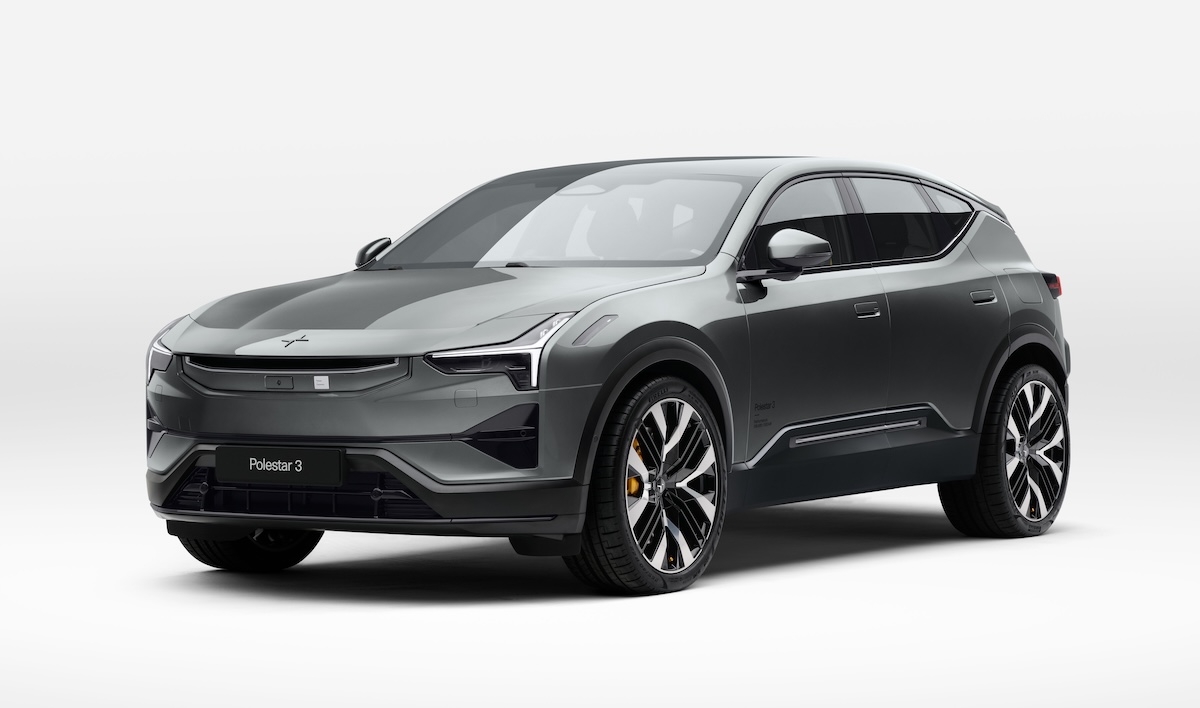
Overall, whether the 2035 combustion-engine ban becomes a relic of policy history depends on discussions within the EU over the coming weeks and months. If a delay is confirmed, it will signify not only a policy shift but also a transition in the automotive industry—from full electrification toward an era of multi-path powertrain strategies. Amid policy adjustments, investment pressures and a shifting global competitive landscape, automakers, suppliers and governments must reconsider their long-term strategies. The EU’s final decision will shape the trajectory of the global automotive industry for at least the next decade.